

Learning how to build confidence in kids is one of the most important things a parent can do. This complete parent guide covers how to build confidence in kids at every age, from shy toddlers to anxious tweens, using proven strategies that actually work. Whether you’re looking for ways to help a shy child, recognize signs your child needs a confidence boost, or understand how martial arts builds real self-belief in kids, this guide has you covered. Research from the American Psychological Association shows that children who develop strong self-confidence are more resilient, perform better academically, and build healthier relationships throughout life.
How to Build Confidence in Kids: The Complete Guide
Why Learning How to Build Confidence in Kids Matters
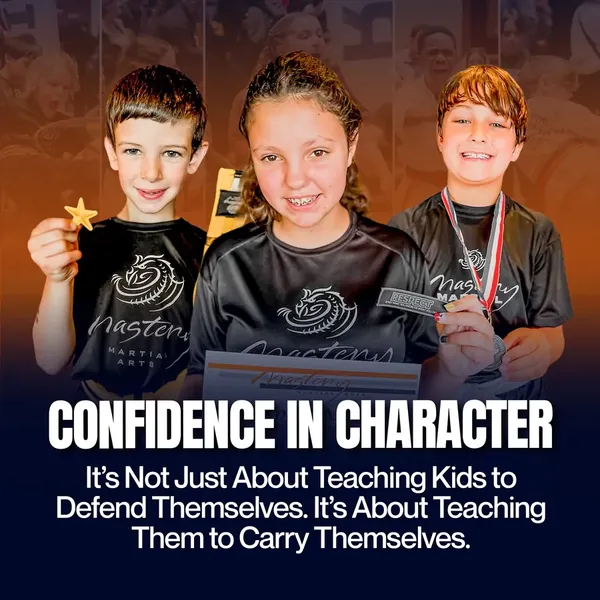
If you want to know how to build confidence in kids, the answer starts with understanding what real confidence looks like versus surface-level praise. How to build confidence in kids is not about telling them they’re great — it’s about giving them real experiences of overcoming challenges. At Mastery Martial Arts in Troy, MI, we specialize in helping parents understand how to build confidence in kids through structured martial arts training, character development, and a supportive community. How to build confidence in kids takes time, consistency, and the right environment. This guide will show you exactly how to build confidence in kids step by step.
How to Build Real Confidence in Kids
A practical, no-fluff guide for parents who want their child to believe in themselves, face challenges head-on, and grow into a strong, capable person.
START YOUR CHILD’S TRANSFORMATION ►Introduction: Why Building Real Confidence in Kids Matters
As a parent, there’s nothing more rewarding than watching your child grow, explore, and take on new challenges with enthusiasm. But what happens when your child hesitates, doubts themselves, or shies away from trying something new? If you’ve noticed your child struggling with low self-confidence, you’re not alone. Many parents wrestle with how to help their kids feel secure and capable in a world that often feels overwhelming.
Confidence isn’t just about feeling good in the moment. It’s a foundation that shapes how kids approach school, friendships, and even their future careers. But here’s the tricky part: there’s a big difference between “real” confidence and what some call “fake” confidence, or praise that feels forced and doesn’t truly empower a child.
Fake praise might sound something like, “You’re the best at everything!” or “Great job just for trying!” While well-intentioned, this kind of feedback can backfire. It might temporarily boost a child’s mood, but it doesn’t teach them how to handle challenges, learn from mistakes, or believe in their own abilities. Real confidence, on the other hand, comes from consistent, genuine experiences that help kids understand their strengths and build resilience.
That’s why this guide is different. We’re here to help you understand how to spot the signs your child might be struggling with confidence in a meaningful way. If you want to dive deeper right now, check out our detailed post Signs Your Child Needs a Confidence Boost. From there, we’ll walk you through practical, actionable steps you can take to nurture authentic confidence that lasts.
At Mastery Martial Arts, we believe that confidence is built through real skills, positive habits, and a supportive environment. Mr. Strecker, our Chief Instructor, has seen firsthand how martial arts training can transform a child’s mindset and attitude, helping them become more self-assured both inside and outside the dojo.
In this ultimate parent guide, you’ll learn how to:
- Identify the subtle and obvious signs of low confidence
- Encourage your child to embrace challenges without fear
- Use everyday moments to build resilience and self-belief
- Understand the role of martial arts in fostering real confidence
Whether your child is just starting to show signs of self-doubt or you’re looking for ways to keep their confidence growing strong, this guide will equip you with everything you need to know to be a confident, supportive parent yourself.
Why Some Kids Struggle with Confidence
It’s common for parents to wonder why their child might struggle with confidence while other kids seem naturally self-assured. The reasons are often complex and individual, involving a mix of temperament, environment, and experiences. Some children may be more sensitive to criticism or prone to perfectionism, which makes failure more daunting. Others might face social challenges or negative peer interactions that chip away at their self-belief.
Research shows that early childhood experiences, parenting styles, and even the way adults provide feedback can significantly influence a child’s developing confidence. For instance, overly critical or protective parenting can hinder a child’s willingness to take risks or learn from mistakes.
At Mastery Martial Arts, we recognize these challenges and provide a balanced approach that meets each child where they are, helping them gradually build resilience and belief in their own abilities.
What Destroys Confidence (Most Parents Miss This)
Many parents unintentionally undermine their child’s confidence by focusing on outcomes over effort, offering insincere praise, or shielding their kids from failure. While it’s tempting to protect children from disappointment, this often prevents them from developing crucial coping skills and self-efficacy.
Some common pitfalls include:
- Overpraising without specifics: Saying “You’re so smart!” without connecting praise to effort or process can lead to fragile self-esteem.
- Too much protection: Avoiding situations where kids might struggle denies them valuable learning experiences.
- Comparing kids to others: This can create feelings of inadequacy or foster unhealthy competition.
- Dismissing or minimizing feelings: Telling kids to “stop being scared” or “just try harder” can shut down open communication.
Awareness is the first step. At Mastery Martial Arts, we focus on creating an environment where kids are encouraged to face challenges with support, and where effort, progress, and character are valued above all.
Confidence vs Self-Esteem (Clear Difference)
While confidence and self-esteem are often used interchangeably, they represent related but distinct concepts. Understanding the difference can help you better support your child’s emotional development.
Confidence is about believing you can do something specific — like riding a bike, speaking in public, or mastering a karate move. It is task- or skill-based and can fluctuate depending on the situation.
Self-esteem is a broader, more general sense of self-worth or value. It’s the overall feeling that “I am enough” regardless of successes or failures.
A child can have high confidence in some areas but low self-esteem overall, or vice versa. The goal is to nurture both by providing opportunities for skill mastery (to build confidence) and unconditional acceptance and encouragement (to build self-esteem).
Step-by-Step Confidence-Building Framework
At Mastery Martial Arts, we use a clear, actionable framework to help kids build authentic confidence gradually and sustainably:
- Safe Environment: Create spaces where kids feel comfortable taking risks without fear of judgment.
- Incremental Challenges: Introduce small, achievable goals that lead to steady progress and tangible success.
- Positive Reinforcement: Celebrate effort, persistence, and improvement rather than just outcomes.
- Skill Mastery: Help kids develop real abilities, building their “I Can” mindset.
- Resilience Training: Teach kids to handle setbacks with patience and problem-solving.
- Character Development: Reinforce values like respect, gratitude, and humility to build inner strength.
- Community & Support: Connect kids with peers and mentors who encourage growth and accountability.
The Confidence Loop
Real confidence isn’t built in a single moment. It’s built through a repeating cycle that gets stronger every time a child goes through it.
Environment
Wins
Reinforcement
& Practice
Shift
This is exactly the process we follow at Mastery Martial Arts. Every class, every belt test, every challenge is a deliberate step through this loop.
SEE THE LOOP IN ACTION ►Understanding Shyness and Anxiety in Kids: How to Help Without Pushing Too Hard
As parents, it’s natural to want our children to be outgoing, confident, and eager to take on new challenges. But what if your child is naturally shy or struggles with anxiety? It’s important to understand that shyness and anxiety are not signs of weakness or failure. Instead, they are part of your child’s unique personality and experience. Helping your child grow confidence without pushing them too hard requires patience, empathy, and the right approach.
The Difference Between Introversion and Lack of Confidence
First, let’s clear up a common misconception. Being shy or introverted is not the same as lacking confidence. Introverted children naturally prefer quieter environments and may feel more energized by solo activities or small groups. They aren’t necessarily afraid to try new things, but they recharge differently than their extroverted peers. On the other hand, children who lack confidence often hesitate because they fear failure, judgment, or rejection.
For example, an introverted child might enjoy reading quietly in a corner rather than speaking up in class, but they still believe in their abilities. A child with low confidence might avoid speaking up because they worry their ideas aren’t good enough. Understanding this distinction helps you tailor your support. For introverted kids, respect their need for calm and space while gently encouraging social engagement. For anxious or low-confidence children, focus on building self-belief and coping skills.
Why Some Kids Are Shy or Anxious
Shyness and anxiety often stem from a mix of temperament, environment, and experiences. Some children are naturally more sensitive or cautious, which makes them slower to warm up to new situations. Others may have experienced setbacks or criticism that make them wary of trying again. Anxiety in kids can also be influenced by family dynamics, school pressure, or even genetics.
Recognizing the root causes can help you approach your child’s feelings with compassion rather than frustration. For instance, if your child is anxious about social situations, forcing them into crowded events might backfire. Instead, gradual exposure combined with reassurance can make a big difference.
Helping Without Pushing Too Hard
It’s a fine line between encouraging your child and overwhelming them. Here are some ways to support your shy or anxious child effectively:
- Listen and validate their feelings. Let your child know it’s okay to feel nervous or shy. Avoid dismissing their worries or rushing them to “just get over it.”
- Set small, achievable goals. Celebrate tiny steps like saying hello to a new classmate or trying a new activity. Recognition builds momentum.
- Create a predictable routine. Stability helps anxious kids feel safe and in control.
- Model confident behavior. Share your own experiences of overcoming fear or failure, showing that everyone struggles sometimes.
- Encourage activities that build inner strength. Martial arts is a perfect example, teaching respect, focus, and resilience in a supportive setting.
At Mastery Martial Arts, Mr. Strecker understands these nuances deeply. Our programs are designed not to push kids beyond their comfort zones all at once but to guide them steadily towards real confidence. Through structured lessons, positive reinforcement, and a community that values every child’s pace, martial arts becomes a powerful tool to help shy or anxious kids thrive.
If you want practical tips on nurturing confidence in a shy child, check out our detailed guide: How to Build Confidence in a Shy Child.
For parents of anxious kids, discover how martial arts can specifically help manage anxiety and build resilience here: Martial Arts for Anxious Kids.
How Self-Belief Actually Forms in a Child’s Brain
Understanding how self-belief develops in a child’s brain is key to helping your child grow into a confident, capable individual. Self-belief isn’t something children are simply born with; it is built over time through experiences, thoughts, and emotions. At its core, self-belief is the foundation for the powerful “I Can” mindset—a belief that no matter what challenges come their way, they have the ability to overcome them.
The Science Behind the “I Can” Mindset
When a child repeatedly tells themselves “I can do this,” they are strengthening neural pathways in the brain associated with confidence and problem-solving. This is rooted in a concept called neuroplasticity, which means the brain is capable of reorganizing itself by forming new connections throughout life. Every time a child faces a challenge, attempts to solve it, and succeeds, the brain reinforces those “I can” circuits, making it easier to approach future challenges with confidence.
On the other hand, if children are often told “You can’t do that” or if they avoid challenges altogether, their brains become wired to expect failure or to shy away from trying. This can stunt their ability to develop self-belief and resilience. That’s why the early years, especially ages 4-13, are so critical for nurturing a positive mindset.
The Importance of Facing Small Challenges
One of the most effective ways to build self-belief is through facing small challenges regularly. It’s tempting to protect kids from failure or struggle, but those experiences are essential for brain development and confidence. When children encounter manageable obstacles, they learn valuable lessons like persistence, problem-solving, and self-efficacy—the belief that their actions can influence outcomes.
- Start Small and Celebrate Effort: Encourage your child to try new activities or tasks that are just a bit outside their comfort zone. Mastery Martial Arts, for example, offers a structured environment where kids face achievable challenges, from learning a new technique to earning their next belt. Each success, no matter how small, fuels their “I Can” mindset.
- Normalize Mistakes: Help your child understand that mistakes are part of learning. When they stumble, reinforce that this is how their brain grows and adapts. This helps reduce fear of failure and increases willingness to try again.
How Overcoming Obstacles Builds Resilience
Resilience is the ability to bounce back after setbacks, and it goes hand in hand with self-belief. Every time a child overcomes an obstacle, their brain releases dopamine, a chemical that makes them feel good and motivates them to keep going. This positive reinforcement encourages a cycle of persistence and confidence.
Resilience isn’t about never failing; it’s about learning how to face difficulties without losing hope. Martial arts training at Mastery Martial Arts, guided by Mr. Strecker, is designed to teach kids exactly this. Through consistent practice, children learn to push through frustration, develop patience, and gain the confidence that comes from mastering skills step-by-step.
By integrating small, manageable challenges with supportive coaching, children not only build self-belief but also develop the mental toughness to navigate life’s ups and downs. This process rewires their brain for success in all areas, from schoolwork to friendships.
For a deeper dive into building self-belief and practical tips you can apply at home, be sure to check out our detailed blog post on Self-Belief in Kids.
Raising a Brave Child: Practical Strategies to Encourage Courage and Resilience
Every parent wants their child to be brave, ready to try new things, and unafraid of failure. Courage is not about never feeling fear, but about taking action despite it. The good news is, bravery is a skill you can nurture in your child through intentional parenting. Here are some actionable strategies you can start using today to raise a child who embraces challenges and learns from setbacks.
1. Model Bravery in Everyday Life
Children learn a lot by watching their parents. When you demonstrate courage, whether it’s trying something new, admitting a mistake, or facing a difficult conversation, your child notices. Make it a point to talk about your own fears and how you push through them. For example, you might say, “I was nervous to speak in front of the group, but I took a deep breath and gave it a try.” This helps your child see that feeling afraid is normal and manageable.
2. Praise Effort, Not Just Results
One of the most powerful ways to raise a brave child is to focus on praising their effort rather than solely the outcome. When your child tries something new or tackles a tough task, acknowledge the hard work they put in, regardless of success or failure. Instead of saying, “Great job, you got an A,” try saying, “I’m proud of how hard you worked on that.”
This approach helps your child understand that courage and persistence are valuable in themselves. It builds a growth mindset, where challenges are opportunities to learn and improve. Over time, your child will be more willing to take risks because they know their effort matters, not just the end result.
3. Create a Safe Space for Failure
Fear of failure often holds kids back from trying new things. To counter this, make your home a safe place where mistakes are seen as part of learning. When your child experiences setbacks, respond with empathy and encouragement rather than criticism. You might say, “I know that was hard, but I’m proud you kept trying.”
Encourage your child to reflect on what they learned from the experience and how they might try differently next time. This helps them develop resilience and reduces the sting of failure.
4. Encourage Exploration and Curiosity
Brave kids are often curious kids. Give your child plenty of opportunities to explore new activities, ideas, and environments. Whether it’s signing up for a new sport, trying a musical instrument, or joining a club, these experiences help build confidence through exposure.
At Mastery Martial Arts, for example, kids learn to face physical and mental challenges in a supportive environment. Under the guidance of Mr. Strecker, children gain confidence by gradually mastering new skills and overcoming obstacles, all while learning respect and discipline.
5. Teach Problem-Solving Skills
Helping your child develop problem-solving skills equips them to handle challenges independently. When your child encounters a problem, instead of immediately stepping in, ask guiding questions like, “What do you think you could try next?” or “Have you thought about other ways to solve this?”
This encourages critical thinking and builds self-confidence. Over time, your child will feel more capable of tackling unfamiliar situations, which is a key component of bravery.
Discover More About Raising Brave Kids
If you want to dive deeper into how to nurture bravery and reduce anxiety in your child, check out our detailed blog post, How to Raise a Brave Child. It offers insightful tips and explains how martial arts training at Mastery Martial Arts, led by Mr. Strecker, can be a game-changer for kids who struggle with fear and anxiety.
Why Early Struggles and Failures Are the Building Blocks of Strong Leadership
As parents, it’s natural to want to shield our kids from difficulties and failures. We want them to succeed effortlessly, to avoid disappointment, and to always feel confident. But here’s the truth: early struggles and setbacks aren’t just inevitable, they’re essential for building real confidence and strong leadership skills. In fact, according to Mr. Strecker, Chief Instructor at Mastery Martial Arts with over 33 years of experience teaching kids, those early challenges are what shape resilient, capable leaders.
Mr. Strecker often reminds parents that leadership is not about never falling down; it’s about learning how to get back up, stronger and wiser each time. When children face obstacles, they develop problem-solving skills, patience, and emotional strength — qualities that form the foundation of effective leadership. Kids who never experience struggle might miss out on these critical lessons.
Learning From Failure Builds Resilience
One of the most important lessons Mr. Strecker has seen over his decades of teaching martial arts is that resilience comes from encountering and overcoming failure. Whether it’s a child struggling to master a new technique or facing a tough sparring match, these moments force kids to dig deep and find inner strength.
When children learn to persevere through difficulty, they build confidence that is authentic and lasting. They understand that failure is not the end of the road but a stepping stone toward growth. This mindset is a hallmark of leaders in every field, and it’s exactly what Mastery Martial Arts encourages in every class.
Struggles Teach Accountability and Self-Reflection
Early struggles also teach kids to take responsibility for their actions and outcomes. Mr. Strecker emphasizes that leadership involves self-awareness and accountability — two traits that are honed when children face challenges head-on. Instead of blaming others or giving up, kids learn to evaluate what went wrong and how they can improve.
Through martial arts training at Mastery Martial Arts, children practice this cycle of effort, feedback, and adjustment repeatedly. This process nurtures thoughtful decision-making and maturity, which naturally translate into leadership skills both on and off the mat.
Encouraging a Growth Mindset
Mr. Strecker advocates for a growth mindset, the belief that abilities can be developed through dedication and hard work. Early failures are not signs of fixed limitations but opportunities to learn and improve. This perspective helps kids approach challenges with curiosity rather than fear.
By embracing struggle as part of the learning journey, children develop courage and creativity. They become leaders who inspire others to face their own obstacles with confidence and optimism.
Mastery Martial Arts: A Safe Environment to Embrace Challenges
At Mastery Martial Arts, we provide a supportive environment where kids can experience these valuable lessons firsthand. Under Mr. Strecker’s guidance, children are encouraged to push their limits while knowing that mistakes are part of the process. This balance of challenge and support helps kids build real confidence that lasts a lifetime.
If you want to learn more about how struggles shape strong leaders, be sure to check out our detailed blog post Kids Who Struggle Become Leaders. It’s full of insights from Mr. Strecker’s experience and practical advice on helping your child grow through challenges.
How We Help Kids Build Confidence at Mastery Martial Arts
At Mastery Martial Arts, confidence building is at the heart of everything we do. Unlike programs that focus solely on physical skills, our approach integrates mental, emotional, and social development to create well-rounded, confident children. Led by Mr. Strecker, who has over three decades of experience, our team understands how to tailor training to each child’s unique needs, helping them thrive on and off the mat.
What Makes Our Approach Different
- Personalized Coaching: We assess each child’s temperament and learning style to customize lessons and goals.
- Character and Confidence Together: We emphasize values like respect, perseverance, and humility alongside skill development.
- Safe Challenge and Support: Kids are encouraged to stretch themselves with careful guidance and positive reinforcement.
- Community and Friendship: Our program fosters friendships and mentorships that boost social confidence and belonging.
- Progressive Skill Mastery: From basics to advanced techniques, kids gain real competencies that inspire pride and self-belief.
Transformative Outcomes We See Every Day
Our students emerge stronger, more self-assured, and equipped to handle life’s challenges. Parents often share how their children have grown from anxious or hesitant to courageous and self-reliant. The confidence built through martial arts practice flows into school performance, friendships, and family relationships.
We’re proud to guide kids through a transformative journey that builds not just martial artists, but confident leaders of tomorrow.
Why Martial Arts at Mastery Martial Arts Is the Ultimate Confidence Builder for Kids
Building real confidence in children is about more than just boosting their self-esteem for a moment. It requires a consistent, supportive environment where kids can challenge themselves, learn valuable life skills, and see tangible progress. That’s exactly what the Mastery Martial Arts program offers. With a focus on structured learning, character development, and age-appropriate instruction, our program is uniquely designed to help kids ages 4 to 13 develop true, lasting confidence.
A Structured Environment That Fosters Growth
One of the biggest strengths of martial arts training at Mastery Martial Arts is the highly structured environment Mr. Strecker and his team have created. This structure gives kids a clear path to success, which is essential for building confidence. Each class follows a consistent routine that helps children know what to expect and what is expected of them. This predictability reduces anxiety and encourages kids to focus on their progress instead of worrying about what’s next.
Within this framework, students learn specific techniques and skills step by step. As they master each skill, they earn belts and stripes that visibly mark their progress. This tangible recognition is a powerful motivator and helps kids see firsthand how their hard work pays off. The regular achievement of goals, no matter how small, builds a sense of accomplishment that naturally translates into confidence both inside and outside the dojo.
Character Development at the Core
Martial arts isn’t just about physical ability. At Mastery Martial Arts, character development is just as important as technique. Mr. Strecker emphasizes values like respect, discipline, perseverance, and humility in every class. Kids learn that confidence isn’t about being the strongest or loudest, but about having the courage to keep trying, to treat others with kindness, and to stay committed to their goals.
This focus on character helps children develop emotional intelligence alongside physical skills. They learn how to handle setbacks, manage frustration, and celebrate successes gracefully. These lessons build a foundation of inner strength that supports confidence in all areas of life, from schoolwork to friendships.
Tailored Approach for Younger Kids (Ages 4-8)
For younger children, ages 4 to 8, the Mastery Martial Arts program is specifically designed to keep them engaged while teaching foundational skills. At this stage, confidence is closely tied to a child’s ability to try new things without fear. Our instructors use games, fun drills, and positive reinforcement to make learning enjoyable and non-threatening.
Kids develop coordination, balance, and basic martial arts skills in a way that feels like play, not pressure. This encourages them to take risks and build confidence in their physical capabilities. The small, achievable milestones help even the youngest students feel proud and motivated to continue learning.
Beyond physical skills, younger kids also begin to grasp important social skills, like listening, following instructions, and working together with peers. These early lessons set the stage for confident communication and teamwork as they grow.
Advanced Confidence Building for Older Kids (Ages 9-13)
Children ages 9 to 13 face new challenges, including increasing academic demands, peer pressure, and self-consciousness. The Mastery Martial Arts program addresses these challenges head-on by helping older kids develop resilience and self-discipline through more advanced training.
At this stage, students refine their techniques and learn more complex forms, sparring, and self-defense skills. The physical challenges push them to build mental toughness, while the clear ranking system encourages healthy competition with themselves, not others. Mr. Strecker works closely with students to set personal goals and provides tailored feedback that helps them grow.
Older kids also engage in leadership opportunities within the program, such as mentoring younger students. This responsibility boosts their confidence and nurtures empathy and communication skills. The community atmosphere at Mastery Martial Arts helps them feel supported and valued, which is crucial during these formative years.
Why Choose Mastery Martial Arts for Your Child’s Confidence Journey?
What sets Mastery Martial Arts apart is the holistic approach to confidence building. It’s not just about learning to kick or punch; it’s about growing as a person. Under Mr. Strecker’s expert guidance, kids learn skills that serve them for life: goal-setting, perseverance, respect, and self-belief. These lessons are embedded in every class, making martial arts training a powerful, lasting confidence builder.
If you want your child to develop real confidence that carries over into all areas of life, Mastery Martial Arts offers the perfect mix of structure, character development, and age-appropriate instruction. From the first class to black belt, your child will gain the tools and mindset they need to thrive.
Ready to see how martial arts can transform your child’s confidence? Keep reading to find out how to get started with Mastery Martial Arts today.
Continue Reading
Dive deeper into specific topics around building confidence, overcoming shyness, and raising strong leaders.
How to Build Confidence in a Shy Child
Practical strategies for helping introverted or reserved kids find their voice without changing who they are.
5 Signs Your Child Needs a Confidence Boost
Learn to spot the subtle behaviors that indicate your child is struggling with self-doubt.
Why Kids Who Struggle Become Leaders
How early challenges and setbacks actually build the resilience needed for future leadership.
The Science of Self-Belief in Kids
Understand the psychology behind the “I Can” mindset and how to wire your child’s brain for success.
How to Raise a Brave Child
Actionable advice on teaching kids to face their fears, take healthy risks, and step out of their comfort zone.
How Martial Arts Helps Anxious Kids
Discover why the structured environment of martial arts is the perfect antidote to childhood anxiety.
Ready to See Your Child Thrive?
Book a free 1-on-1 Introductory Lesson and see the difference one class can make. No pressure, no commitment, just a chance to experience what real confidence-building looks like.
BOOK YOUR FREE INTRODUCTORY LESSON ►