
Mastery Martial Arts · Troy, MI
How Kids Make Friends
How kids make friends: a parent guide to the social skills children need to connect, the steps you can practice at home, and why the right environment in Troy MI makes all the difference.
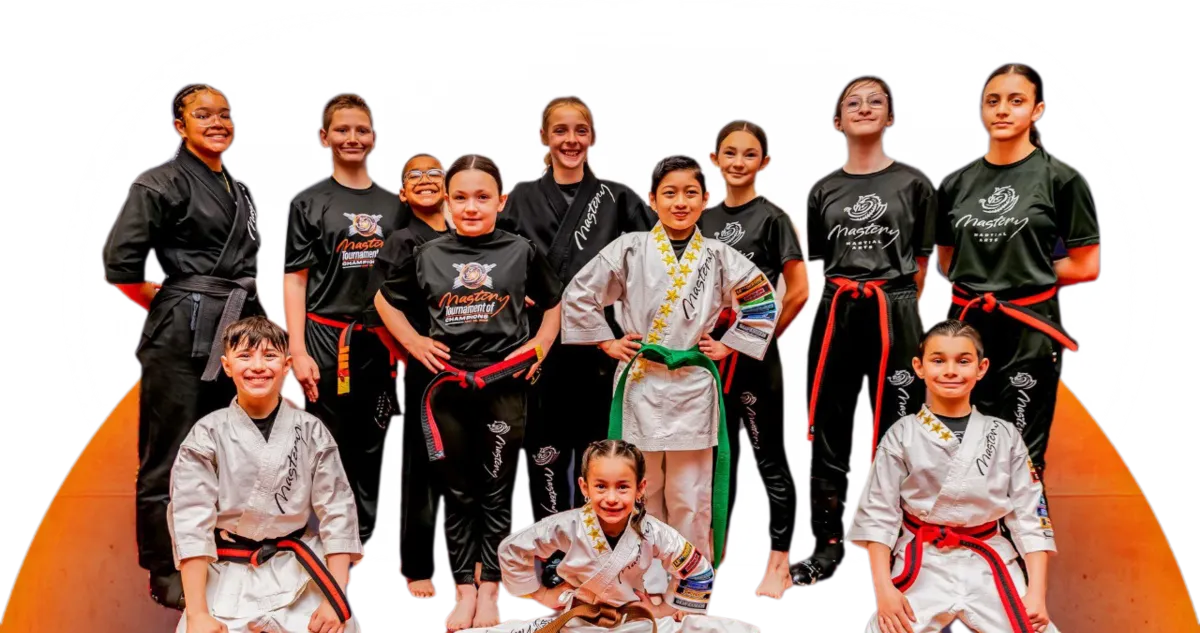
Troy parent: Making friends is a skill, not a personality trait. Our classes give kids a structured place to practice connecting, week after week.
Few things tug at a parent harder than watching your child struggle to make friends. You hear “nobody played with me today” and your heart sinks. The good news is that making friends is not a personality trait some kids are simply born with. It is a set of skills, and like any skill, it can be taught, practiced, and learned.
This guide breaks down how kids actually make friends, the specific steps you can rehearse at home, and why the right environment matters so much. It is part of our larger guide on social confidence for children.
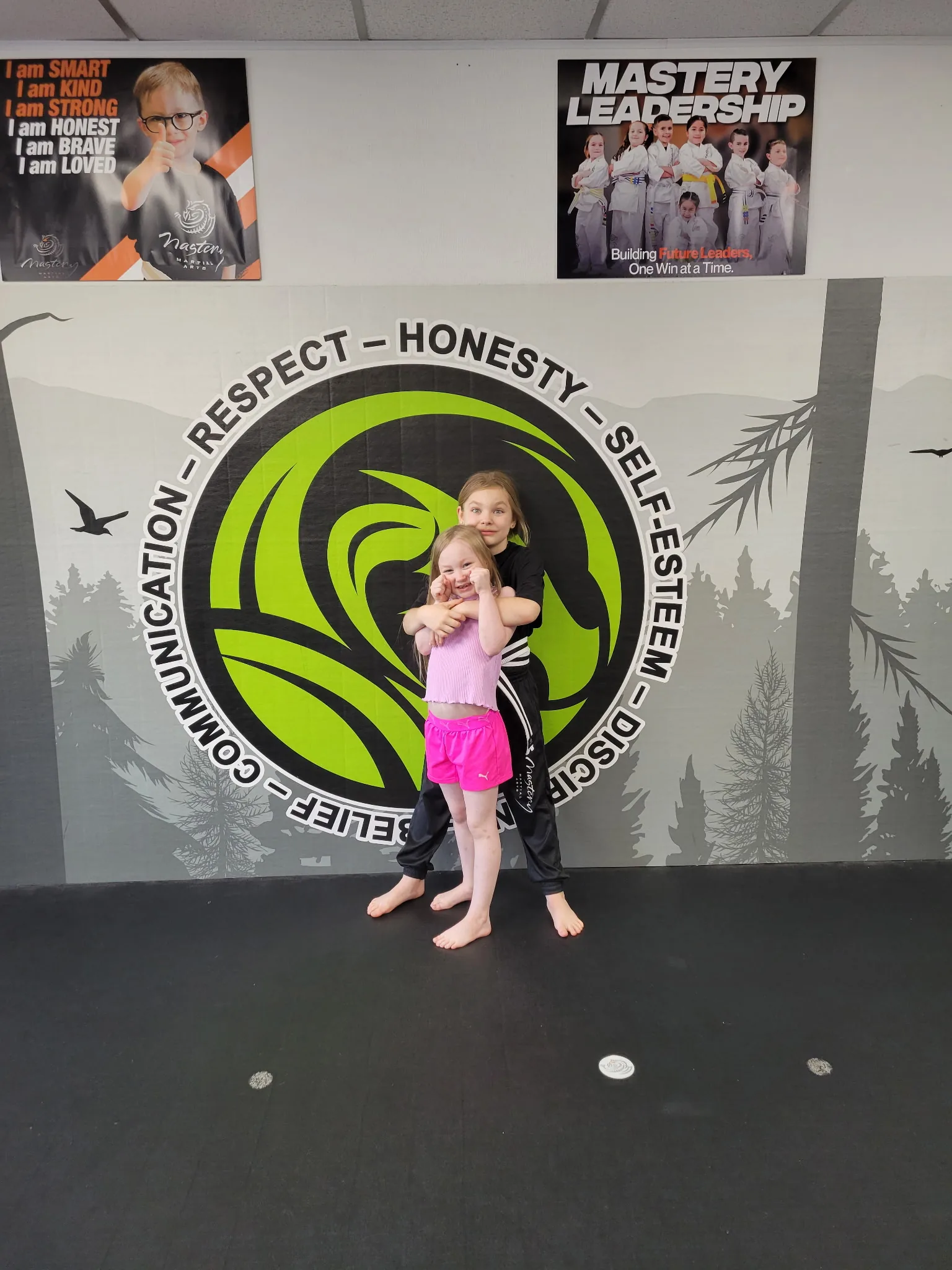
Friendships form fastest side by side, around a shared activity.
How Kids Make Friends and Form Friendships
Adults tend to think friendships start with conversation. For kids, it is almost always the opposite. Children become friends by doing something together first, and the talking grows out of the doing. This is why shared activities, where kids stand shoulder to shoulder working toward the same goal, produce friendships so reliably. The pressure to “be interesting” disappears, replaced by a common task.
As child development researchers note, childhood friendship rests on three ingredients: repeated contact with the same kids, a shared focus of attention, and a setting where cooperation is built in. A weekly martial arts class happens to provide all three, which is part of why it works where a loud, every-kid-for-themselves setting often does not.
The Friendship Skills You Can Teach at Home
1. The friendly approach
Many kids freeze at the very first step, walking up to a group. Practice it like a script. A simple “Hey, can I play?” or “What are you guys building?” works far better than hovering and hoping to be noticed. Role-play it at home until it feels less scary.
2. Asking and listening
Kids who make friends easily ask questions and actually listen to the answers. Teach your child to ask one question about the other person, then respond to what they said. It sounds simple, but it is the single biggest difference between a child who connects and one who talks at people.
3. Taking turns and sharing the spotlight
Friendship is reciprocal. A child who always has to win, go first, or be in charge will struggle. The give and take of turn-taking is something a structured class drills constantly, as partners trade roles holding pads and practicing techniques.
4. Recovering from rejection
Every child gets told no sometimes. The kids who keep making friends are the ones who can shrug off a no and try again with someone else. Teaching your child that one rejection is not the end of the world is one of the most protective social skills there is.
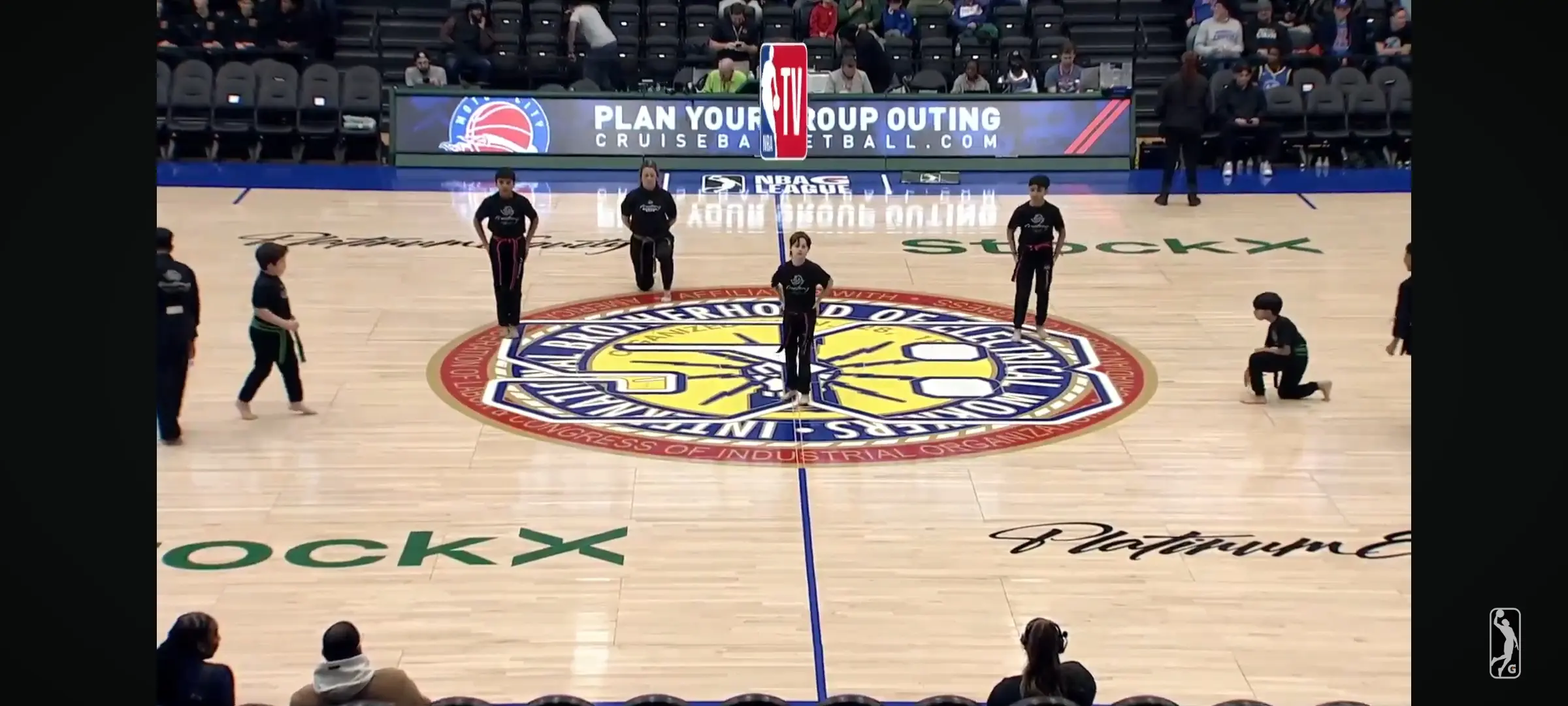
Cooperating toward a shared goal is the fastest path to real friendship.
Why the Right Environment Matters
You can teach every skill above and still see your child struggle if the setting works against them. A chaotic, hyper-competitive environment rewards the loudest kids and leaves quieter ones behind. That is a key reason team sports do not help every child socially, even though parents often sign their kids up hoping they will.
A good martial arts class is engineered for connection. Class sizes stay manageable, partners rotate so a child meets everyone, and the whole room shares one focus. For a child who is shy to begin with, this structure is a gift. We go deeper on that in our guide to martial arts for shy kids.
Friendship and Confidence Grow Together
Here is the part most parents miss. Making friends builds confidence, and confidence makes it easier to make friends. It is a loop, and your job is simply to help your child take the first lap. Once a child has one good friend and one good experience of connecting, the whole thing gets easier. The same confidence that helps a child make friends also helps them lead and communicate as they grow.
A room full of potential friends, all working toward the same goal.
Give Your Child a Place to Practice
Friendship skills are like any other skills. They need a place to be practiced, with the same kids, week after week, around a shared goal. That is exactly what we provide. At Mastery Martial Arts in Troy, kids do not just learn to kick and punch, they learn to connect, and many of them make their first real friends right here on the mat.
Keep Reading: The Social Skills Series
Part of our complete guide to building social confidence in children.
Social Confidence for Children
The complete parent guide that ties this whole series together.
Martial Arts for Shy Kids
Why a structured class helps reserved children come out of their shell.
Leadership and Communication Skills
How confident kids learn to lead conversations and speak up.
Why Team Sports Do Not Help Every Child Socially
The surprising reason a busy team can leave a child more isolated.
Help Your Child Make Real Friends
Book a free 1-on-1 Introductory Lesson at Mastery Martial Arts in Troy, MI, and give your child a place to connect with kids their own age.
Free Class · Troy, MI
See it for yourself.
Bring your child in for a free introductory lesson and 30 free days. No obligation to continue.
Get My Child’s Free 30-Day Pass →3656 Rochester Road, Troy · (248) 247-7353
For Parents
See our answers first on Google
Google now lets you choose the websites you trust most. The ones you choose move to the top of your search results. Add us, and our articles on focus, confidence, and bullying show up first, right when you’re looking for help. It takes ten seconds, and you can undo it anytime.
Make Us a Preferred SourceOpens Google. Tap the search box, then check the box next to “Mastery Martial Arts - Troy.”