
Mastery Martial Arts · Troy, MI
Why Team Sports Don’t Help Every Child Socially
Why team sports do not help every child socially. A balanced parent guide on why the common advice backfires for shy or struggling kids, what these children actually need, and how an individual-progress activity in Troy MI helps.
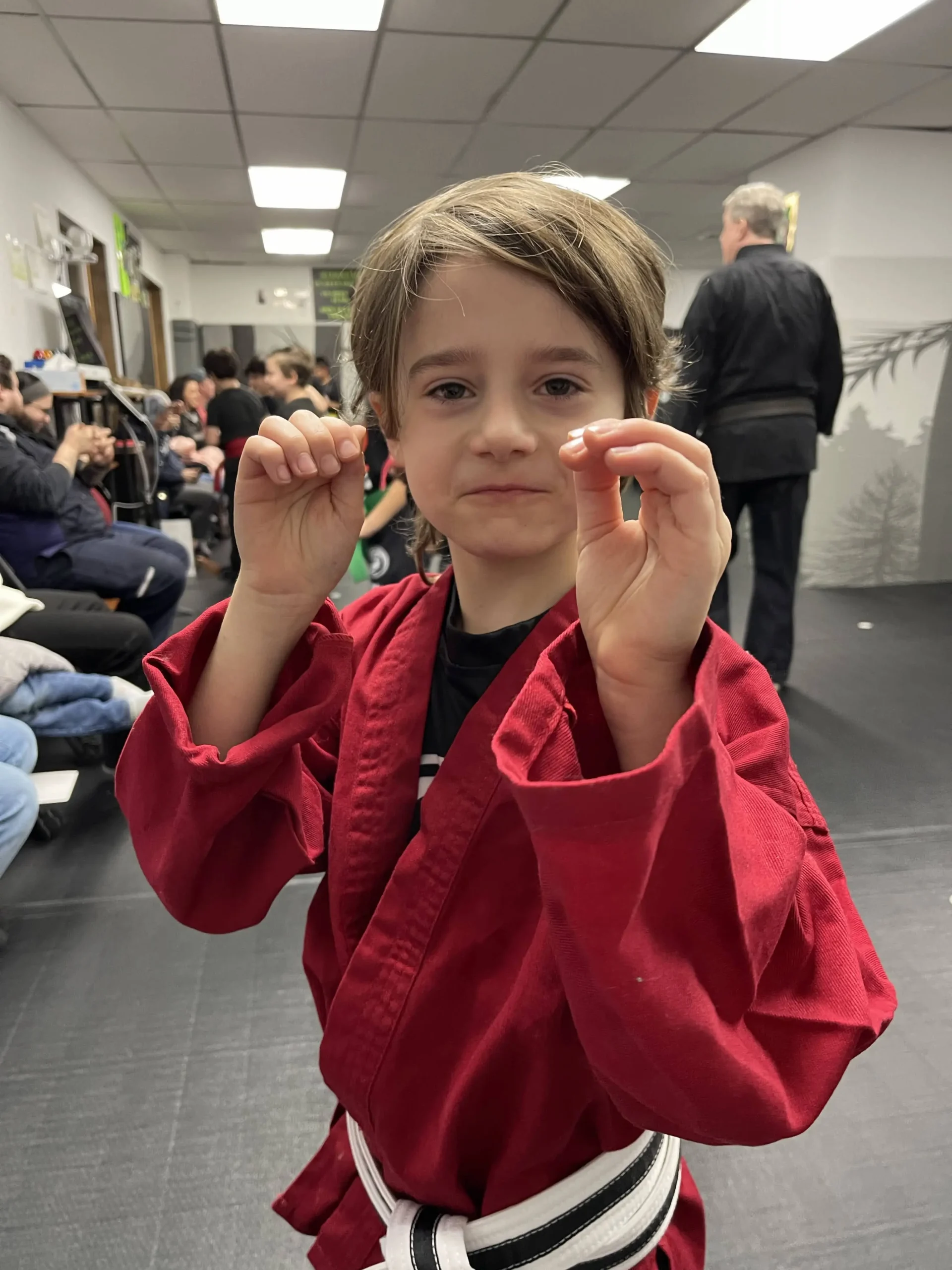
Troy parent: If team sports have not helped your child socially, it is not them. It may simply be the wrong setting. Our classes are built differently.
It is one of the most common pieces of parenting advice out there. Your child is shy or struggling to make friends, so someone says, “Just sign them up for a team sport. It will help them come out of their shell.” For a lot of kids, that advice is great. For many others, it quietly backfires. If you have ever watched your child sit on the bench, hang back at the edge of the field, or come home from practice more discouraged than before, you already know team sports are not a magic social fix.
To be clear up front, this is not an argument against team sports. Team sports are wonderful for many children, and we cheer them on. This article is about the specific child for whom the standard advice does not work, and why. It is part of our larger guide on social confidence for children.
Team settings work beautifully for some kids, and quietly leave others behind.
The Assumption Behind the Advice
The logic seems sound. Put a child around other kids, give them a shared goal, and friendships will follow. And for confident, athletically inclined kids, that is often exactly what happens. But the advice quietly assumes the child already has the social and physical confidence to participate fully. For a child who is shy, anxious, or still developing coordination, a busy team can expose that gap rather than close it.
Why Team Sports Leave Some Kids Behind
Performance pressure comes before connection
In a competitive game, the goal is to win, and that pressure arrives before any friendship has a chance to form. A child who is worried about dropping the ball or letting the team down is in survival mode, not social mode. Anxiety and connection do not mix well, and the scoreboard raises the stakes on every mistake.
The social hierarchy is set fast
Teams sort themselves quickly. The most skilled and outgoing kids become the core, and the quieter or less athletic kids drift to the margins. Once that pecking order forms, a shy child can feel more invisible on a team than they did before they joined. This is close to the opposite of what their parents were hoping for.
Less skilled means less playing time
Here is the painful loop. The kids who most need practice and inclusion often get the least playing time, because coaches understandably play their strongest players in close games. So the child who is already behind falls further behind, and sits watching while others bond on the field.
Group dynamics can amplify shyness
A loud, fast, high-energy environment is exactly the kind of setting a shy child finds overwhelming. Instead of drawing them out, it can push them further into their shell. We explain how the right environment does the opposite in our guide to martial arts for shy kids.
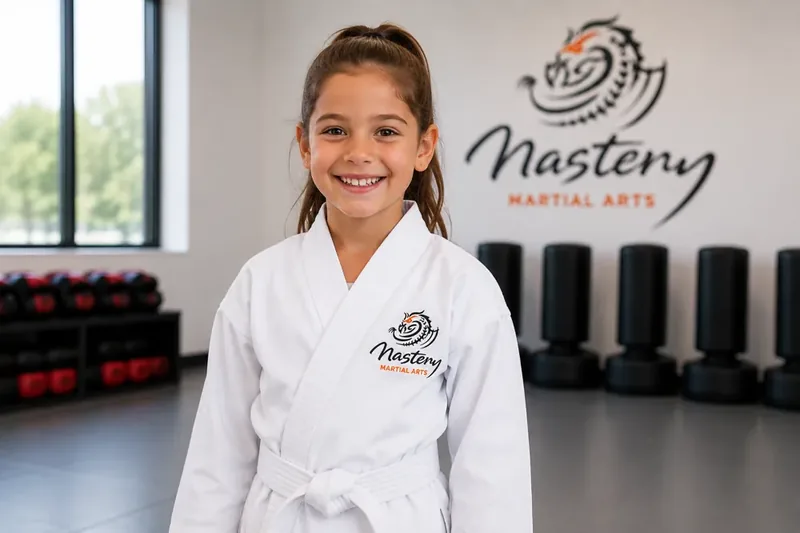
Individual progress means no child rides the bench while others grow.
What These Kids Actually Need
A child who struggles socially does not need more competition. They need a structured environment where connection comes before performance, where every kid participates every time, and where progress is measured against themselves rather than a scoreboard. They need repeated contact with the same kids, a shared focus, and an adult who notices the quiet ones, something child development experts consistently emphasize. Those are the real ingredients of friendship, which we break down in our guide on how kids make friends.
Why Martial Arts Often Succeeds Where Teams Struggle
Martial arts is a team and an individual pursuit at the same time, and that combination is the key. A child trains alongside others and belongs to a group, but never sits on a bench, because everyone participates in every class. Progress is personal, measured in belts earned against your own effort, not in points scored against another child. There is no “first string.” The structure is calm and predictable instead of loud and chaotic.
Just as importantly, every child eventually gets to lead. Senior students help newer ones, which builds the exact leadership and communication skills that a child on the bench never gets to practice. The result is that the kids team sports tend to leave behind are often the ones who flourish most on the mat.
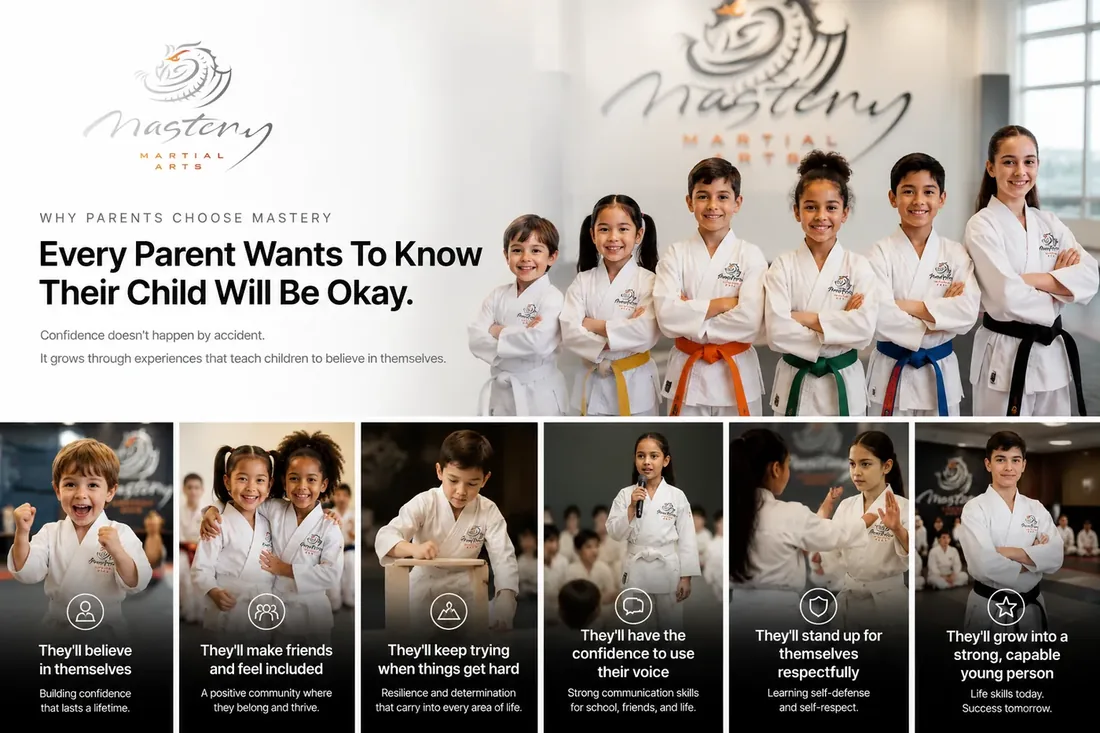
Many kids who struggled on a team finally thrive in an individual-progress setting.
Choose the Setting That Fits Your Child
If your child loves team sports and thrives on them, wonderful, keep going. But if the standard advice has not worked, if your child is still hanging back or coming home discouraged, it is not a sign that something is wrong with them. It is a sign that the setting does not fit. A structured, individual-progress environment may be exactly what they need. At Mastery Martial Arts in Troy, we see it happen all the time, with the very kids team sports left behind.
Keep Reading: The Social Skills Series
Part of our complete guide to building social confidence in children.
Social Confidence for Children
The complete parent guide that ties this whole series together.
Martial Arts for Shy Kids
Why a structured class helps reserved children come out of their shell.
How Kids Make Friends
The real ingredients of friendship and how to practice them.
Leadership and Communication Skills
How every child gets a turn to lead and speak up.
A Better Fit for the Child Who Struggles
Book a free 1-on-1 Introductory Lesson at Mastery Martial Arts in Troy, MI, where every child participates, progresses, and belongs.
Free Class · Troy, MI
See it for yourself.
Bring your child in for a free introductory lesson and 30 free days. No obligation to continue.
Get My Child’s Free 30-Day Pass →3656 Rochester Road, Troy · (248) 247-7353
For Parents
See our answers first on Google
Google now lets you choose the websites you trust most. The ones you choose move to the top of your search results. Add us, and our articles on focus, confidence, and bullying show up first, right when you’re looking for help. It takes ten seconds, and you can undo it anytime.
Make Us a Preferred SourceOpens Google. Tap the search box, then check the box next to “Mastery Martial Arts - Troy.”