
Mastery Martial Arts · Troy, MI
Why Physical Activity Improves Learning: The Movement-Brain Connection in Kids
The research on how physical activity improves learning is overwhelming — and most Troy parents have never heard it.
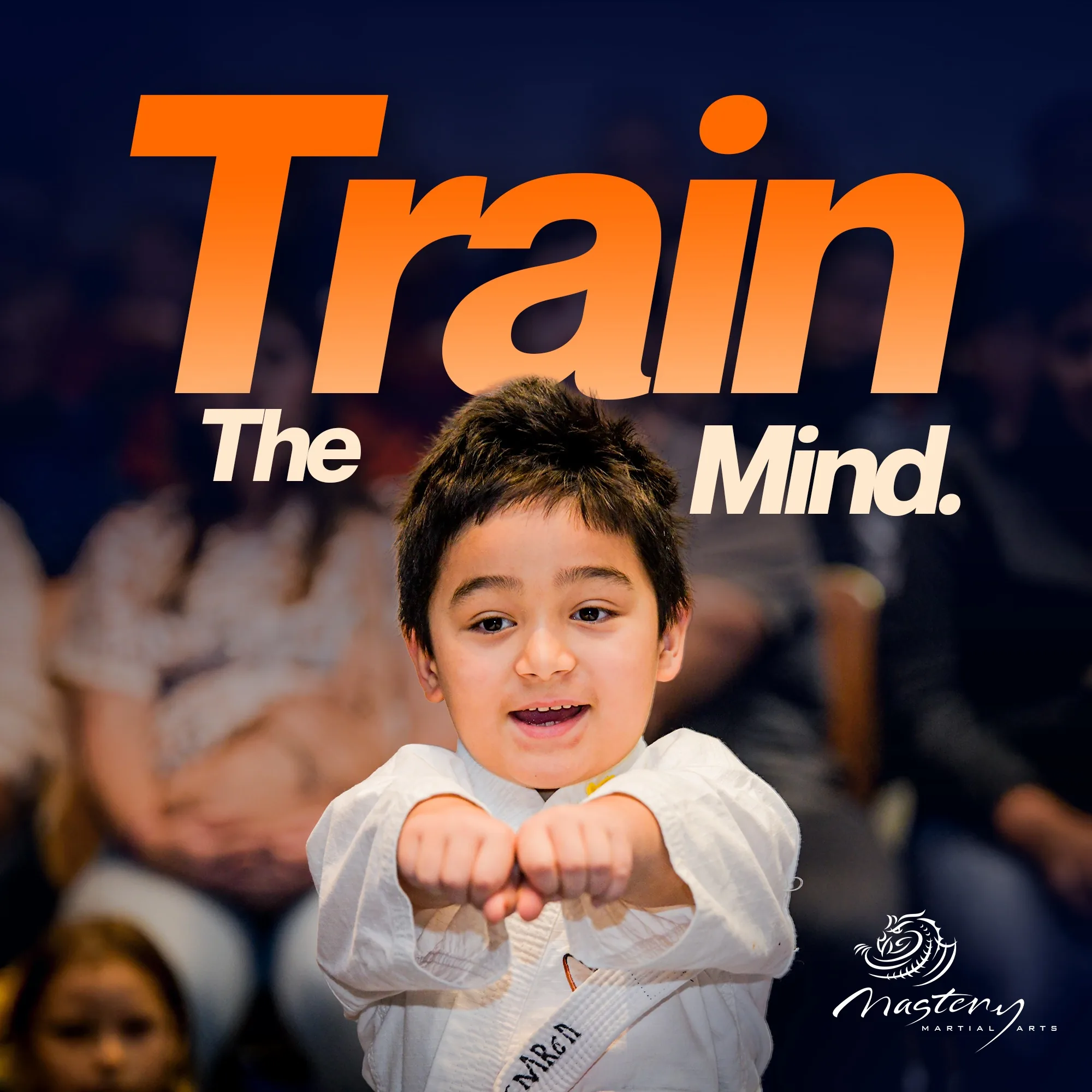
We treat movement and academics like competitors for our kids’ time. The science says the opposite: movement is one of the most powerful academic interventions there is.
Every fall, a parent sits in my office in Troy and says some version of the same thing: “We might need to pause karate this semester so he can focus on school.” I understand the instinct. Grades matter. But after 34 years of teaching kids, I always ask them to wait three months before deciding — because in three months, the report card usually makes my argument for me.
Here’s why physical activity improves learning, what the research actually shows, and why the type of movement matters more than most parents realize.
What Happens in a Child’s Brain During Exercise
When kids engage in vigorous physical activity, three things happen that directly affect how they learn:
- Blood flow to the brain increases — delivering the oxygen and glucose the brain runs on. The effect is immediate: attention and processing speed measurably improve in the hour after exercise.
- The brain releases BDNF (brain-derived neurotrophic factor) — a protein researchers describe as fertilizer for brain cells. BDNF strengthens existing neural connections and helps grow new ones, particularly in the hippocampus, the brain’s memory center.
- Stress hormones drop. Cortisol is the enemy of memory formation. A child who moves regularly carries less of it into the classroom and the homework hour.
The CDC’s review of the research is blunt about the conclusion: physically active students have better attendance, better behavior, better attention, and better grades. Studies that added movement to the school day — even at the cost of classroom minutes — found academic performance went up, not down.
Cutting a child’s physical activity to protect their grades is like unplugging the refrigerator to save the groceries.
Why Physical Activity Improves Learning More in Some Activities Than Others
Here’s the part that surprises parents: not all movement delivers the same cognitive payoff. The research consistently finds that the biggest academic gains come from activities that combine aerobic effort with cognitive demand — movement that makes kids think while they move.
Running on a treadmill is aerobic but mentally passive. A martial arts class is aerobic and cognitively loaded: memorizing sequences, mirroring an instructor, controlling force, adjusting to a partner, holding multi-step instructions in working memory. Scientists call this combination “cognitively engaging physical activity,” and it’s where studies find the strongest effects on executive function — the attention, working memory, and self-control skills that predict grades better than IQ does.
That’s not a coincidence. It’s the reason we structured our classes the way we did, and it’s the engine behind everything in our pillar guide on how karate improves school performance and grades. For the deeper science on those brain skills themselves, see our parent’s guide to executive function in children.
The Timing Effect: Why Active Kids Do Homework Faster
One of the most practical findings in this research is about timing. The cognitive boost from exercise peaks in the 30–90 minutes afterward. Kids who move before homework start faster, focus longer, and finish sooner than kids who go straight from school stillness to desk stillness.
This matches what Troy parents tell us constantly: homework on karate nights goes better, not worse — even though there’s less time for it. The child sits down already regulated, with the mental restlessness burned off and the brain chemically primed to concentrate. If your evenings are a homework battle, try moving the battle to after movement. We break down more of these routines in How to Improve Focus in Kids.
What About Kids Who Struggle Most?
The movement-learning connection is strongest for exactly the kids who struggle most in the classroom. Studies of children with attention challenges show that regular structured exercise improves focus, impulse control, and classroom behavior — sometimes rivaling other interventions. For kids with ADHD specifically, the structure of martial arts adds something free play can’t: every drill is a repetition of paying attention. We’ve written a full guide on this in Karate for Kids with ADHD.
The same is true for anxious kids. Movement metabolizes the stress hormones that keep anxious brains too busy to learn. A child who spends an hour being brave and capable in a dojo walks into school the next day with a different baseline.
How Much Movement Do Kids Actually Need?
The guideline is 60 minutes of moderate-to-vigorous activity per day for school-age kids. Most American children get nowhere near it — average screen time now exceeds average activity time by hours. You don’t need to close that whole gap at once. The research suggests a practical hierarchy:
- Something vigorous most days — even 20 minutes moves the needle.
- Something structured and cognitively demanding 2–3 times a week — this is where martial arts, dance, and gymnastics outperform passive exercise.
- Movement before homework whenever possible — free timing boost, zero cost.
And if screens are what’s crowding movement out at your house, start with our guide on how to get kids off screens without a fight, or browse everything on our Parent Resources hub.
The Bottom Line for Troy Parents
If your child is struggling academically, the instinct to cut physical activity and add desk time is understandable — and backwards. The brain that learns is a brain that moves. Protect the movement, time it wisely, and choose activities that make your child think while they sweat. The grades tend to take care of themselves.
Free Class · Troy, MI
See it for yourself.
Bring your child in for a free introductory lesson and 30 free days. No obligation to continue.
Get My Child’s Free 30-Day Pass →3656 Rochester Road, Troy · (248) 247-7353
For Parents
See our answers first on Google
Google now lets you choose the websites you trust most. The ones you choose move to the top of your search results. Add us, and our articles on focus, confidence, and bullying show up first, right when you’re looking for help. It takes ten seconds, and you can undo it anytime.
Make Us a Preferred SourceOpens Google. Tap the search box, then check the box next to “Mastery Martial Arts - Troy.”