
Mastery Martial Arts · Troy, MI
Does Your Child Struggle to Focus in School? Here Is What Actually Helps.
For Troy Families Whose Kids Are Struggling to Focus at School
Parents ask me some version of the same question all the time: “Will this actually help my kid at school?” They have tried tutoring. They have tried taking away screens. The teacher keeps sending home notes. And they are starting to wonder if this is just who their child is.
After working with kids in Troy for 34 years, here is what I know: focus is not a fixed trait. It is a skill. And like every other skill, it can be built with the right structure, the right environment, and enough time to let it take hold.
That is what we do at Mastery Martial Arts. And that is what this page is going to walk you through.
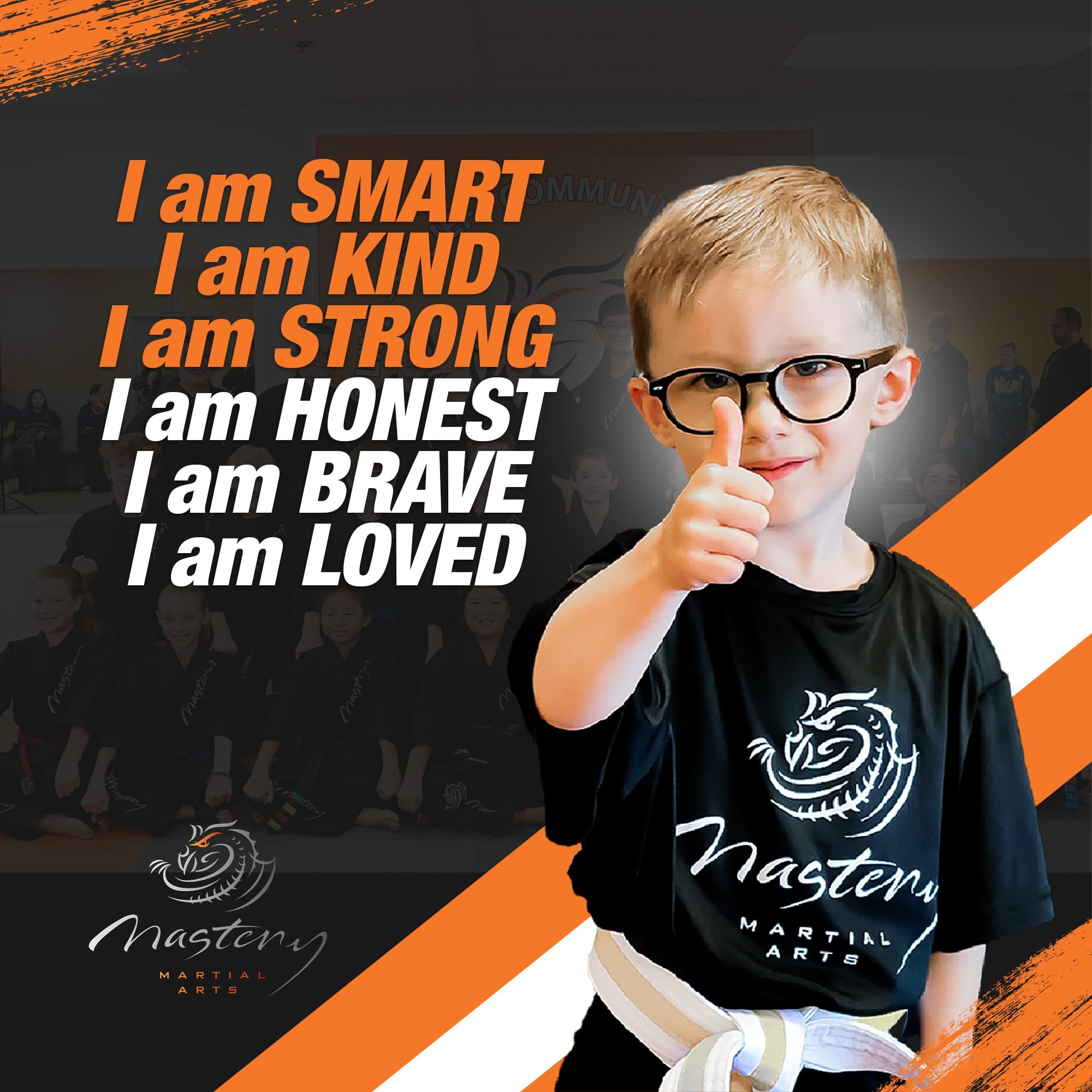
Why Karate Improves School Performance and Grades
Karate does not tutor your child in math. It does not help them memorize spelling words. What it does is build the mental habits that make learning possible in the first place.
Parents ask me what the difference is between a child who does well in school and one who struggles. Most of the time it is not intelligence. It is the ability to:
- Pay attention when a teacher is speaking, even when it is hard
- Listen to instructions the first time and actually follow through
- Sit with something difficult instead of giving up the moment it gets frustrating
- Regulate their emotions when they feel overwhelmed or anxious
- Set a goal and work toward it consistently, even when progress is slow
- Raise their hand and participate rather than staying quiet to avoid being wrong
Those are habits, not personality traits. And habits are built through consistent, structured practice in an environment designed to reinforce them. That is exactly what happens in a well-run martial arts class.
How We Build It: External Discipline That Becomes Internal
Young kids do not arrive with internal discipline. They have not built it yet. So we provide structure from the outside first. Clear expectations. Consistent routines. Positive reinforcement every step of the way.
Over weeks and months of training, something shifts. What started as “I have to listen to my instructor” becomes “I know how to focus.” What started as “I want my next belt” becomes “I know how to set a goal and work toward it.” The structure we provide on the outside gradually moves to the inside. Kids start doing it on their own.
That is when parents start getting different kinds of phone calls from their child’s teachers.
The Reset: Why Karate After School Actually Helps Homework
By 3pm, most kids nervous systems are completely wrung out. Six hours of sitting still, processing information, managing social situations. It adds up. When a child in that state goes straight to homework, you are fighting uphill the whole way.
Karate gives them something homework and screens cannot: structured physical movement that releases tension, requires real focus, and genuinely resets the brain. Kids who come home after class are calmer, more regulated, and far more ready to sit down and do their work.
Two 30-minute classes per week. That is our standard recommendation. Small time commitment. But the effect on the rest of your child’s week, and especially on homework time, is not small at all.
What Troy Parents Tell Us They See at School
We do not collect formal grade data. But parents do not wait for report cards to tell us what has changed. One of the best things I ever heard came from a mom at a school conference. She told me she actually looks forward to those meetings now because the teachers spend the whole time telling her what a great kid her son is. He used to be the kid they called her in to talk about. Now he is the one teachers brag about.
That is not a one-time story. We hear versions of it constantly. Here is what parents in Troy tell us they notice:
What parents report
“His teacher told us he is raising his hand and participating now. She asked what changed. We told her he started karate.”
What parents report
“She listens the first time now. At home, at school, everywhere. I used to have to say things three times before she would even look up. That is just gone.”
What parents report
“Homework is a completely different experience. He sits down and does it. No arguments, no drama. It is the same kid. Something is just different.”
What parents report
“What gets me is the consistency. It is not one thing that changed. It is everything. How she handles being frustrated, how she talks to her teachers, how she approaches something that is hard for her. All of it is better.”
Notice what these parents are describing. Not “karate made my kid smarter.” They are describing changes in the habits that allow their child to use the intelligence they already have. That is the real shift.
It does not happen at the same pace for every child. Some families notice differences within a few weeks. For others it takes a couple of months of consistent training. But kids who show up regularly almost always show meaningful improvement in how they function at school and at home.
The Belt System Is a School Performance Tool
School is full of abstract goals. “Do better in math.” “Pay attention more.” “Work harder.” Parents say these things with good intentions but kids struggle to act on them because the path is not clear and they cannot see themselves getting closer.
Research from the Journal of Exercise Rehabilitation shows structured martial arts training improves self-regulation and focus in children. The belt system in karate puts that research into practice. Your child knows exactly where they are. They know exactly what they need to learn to earn the next rank. They can see the path. And every time they take a step forward on it, they feel it in a real way.
That experience of setting a specific goal, working toward it consistently, and eventually achieving it is not just a karate lesson. It is a mindset your child carries into every classroom they will ever sit in.
You Have to Earn It Outside the Dojo Too
At Mastery, kids do not advance in rank just because they have learned the techniques. They have to show that they are applying what they have learned at home and at school. Better behavior. Better listening. Better effort across the board.
This is central to how our program works. Martial arts training that stays inside our school walls is not really doing its job. The whole point is transfer. When a child knows their next belt depends partly on how they are showing up at school, something clicks. They want the belt. The belt requires growth at school. So they grow.
The Long View: Our Black Belt Students End Up in AP Classes
This is not a coincidence we stumbled onto. The children who earn black belts at Mastery have spent years practicing exactly what high-level academic work requires: showing up consistently, working through difficulty, taking feedback without falling apart, and following through when it would be easier to quit.
By the time they reach high school, those habits are deeply set. Advanced coursework is hard. So is black belt training. The kids who have done one tend to handle the other very well.
The One Thing That Actually Makes the Difference
Parents ask me all the time what the secret is. What is the thing that separates the kids who improve from the kids who do not?
It is consistency. Every time.
Not talent. Not how quickly they picked things up in the first class. Not even how much they liked it right away. The kids who improve are the ones who keep showing up, twice a week, week after week, and give the process enough time to work.
We have seen thousands of kids come through our doors over 34 years. The pattern is always the same. Consistent kids improve. Sporadic kids plateau. A child who trains twice a week for three months will see more real growth than one who comes five times in a week and then disappears for a month.
The good news is that kids who enjoy what they are doing show up without being dragged. We are very good at making karate something kids genuinely want to come back to. Kids do not quit things they enjoy. Our job is to keep it challenging enough to grow them and engaging enough to keep them coming. We have been doing exactly that for more than three decades.
What to Expect at Each Age
The benefits look different depending on where your child is developmentally. What a 4-year-old needs from a martial arts class is very different from what a 10-year-old needs. Here is what we see at each stage:
Tiny Tigers
Ages 3 to 4
At this age we are building foundational habits: listening when someone is speaking, waiting for your turn, following a multi-step instruction. These are the exact skills kindergarten teachers spend all year trying to establish. Parents tell us their kids start school with a head start because of what they learned here.
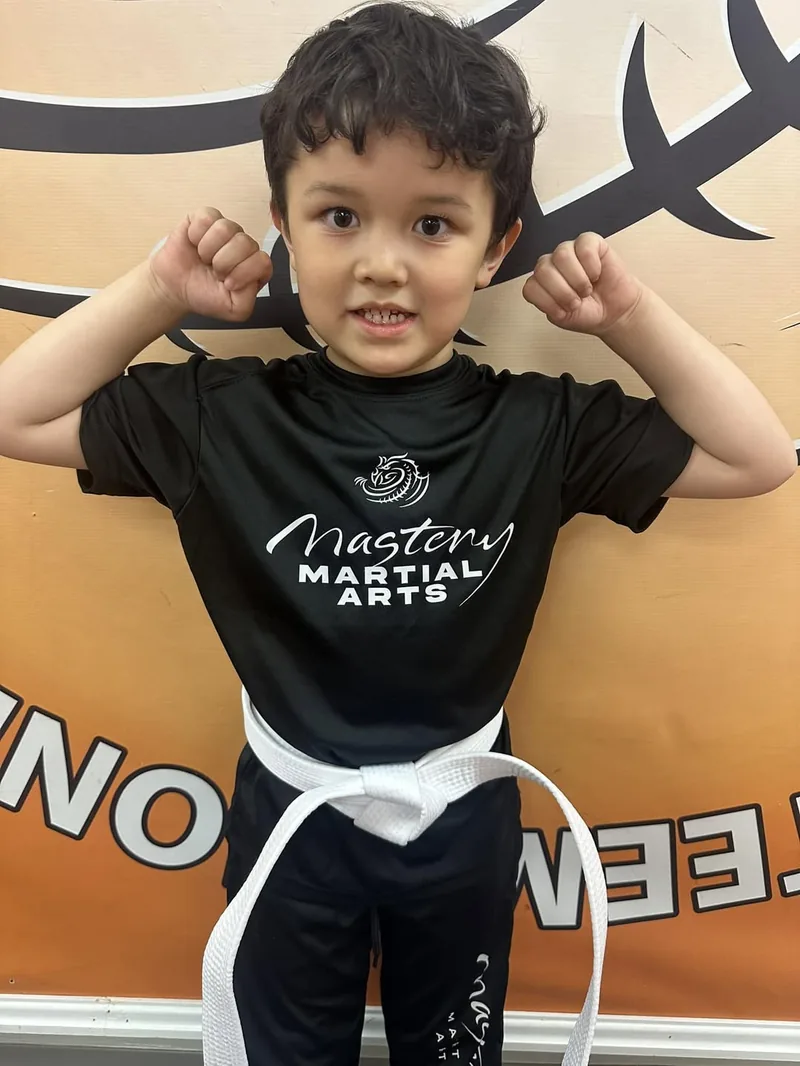
Little Dragons
Ages 5 to 6
First and second grade is where attention span starts to really matter. Little Dragons class is designed specifically to extend how long a child can hold focus through structured movement, clear transitions, and immediate positive feedback. Parents see changes in how their child handles circle time and classroom instruction.
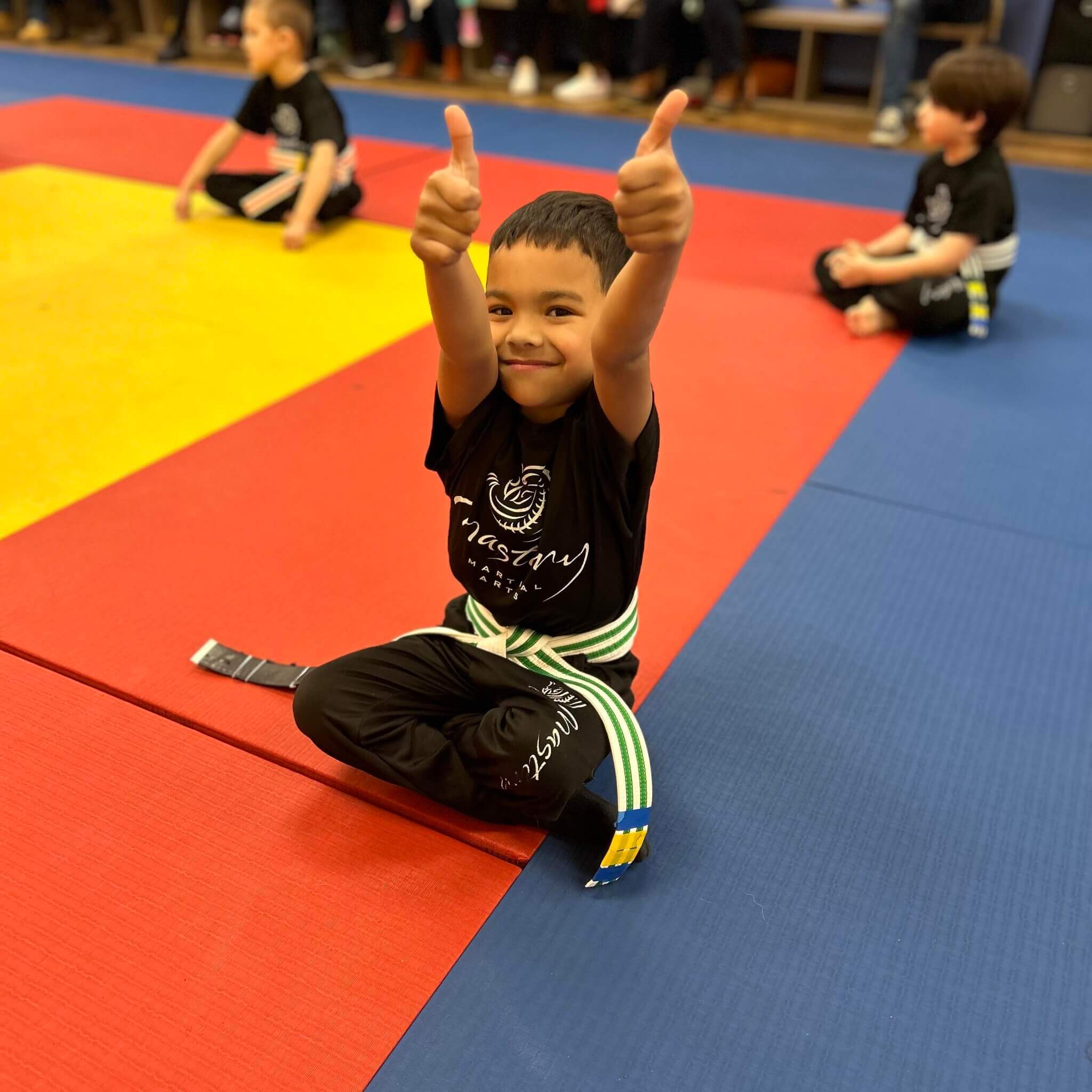
Kids Karate
Ages 7 to 9
This is when the academic transfer becomes most visible. Kids at this stage can consciously connect what they are learning in class to what is expected of them at school. Old enough to understand the goal, young enough to adapt fast. This is when parents most often report that homework battles just stop.
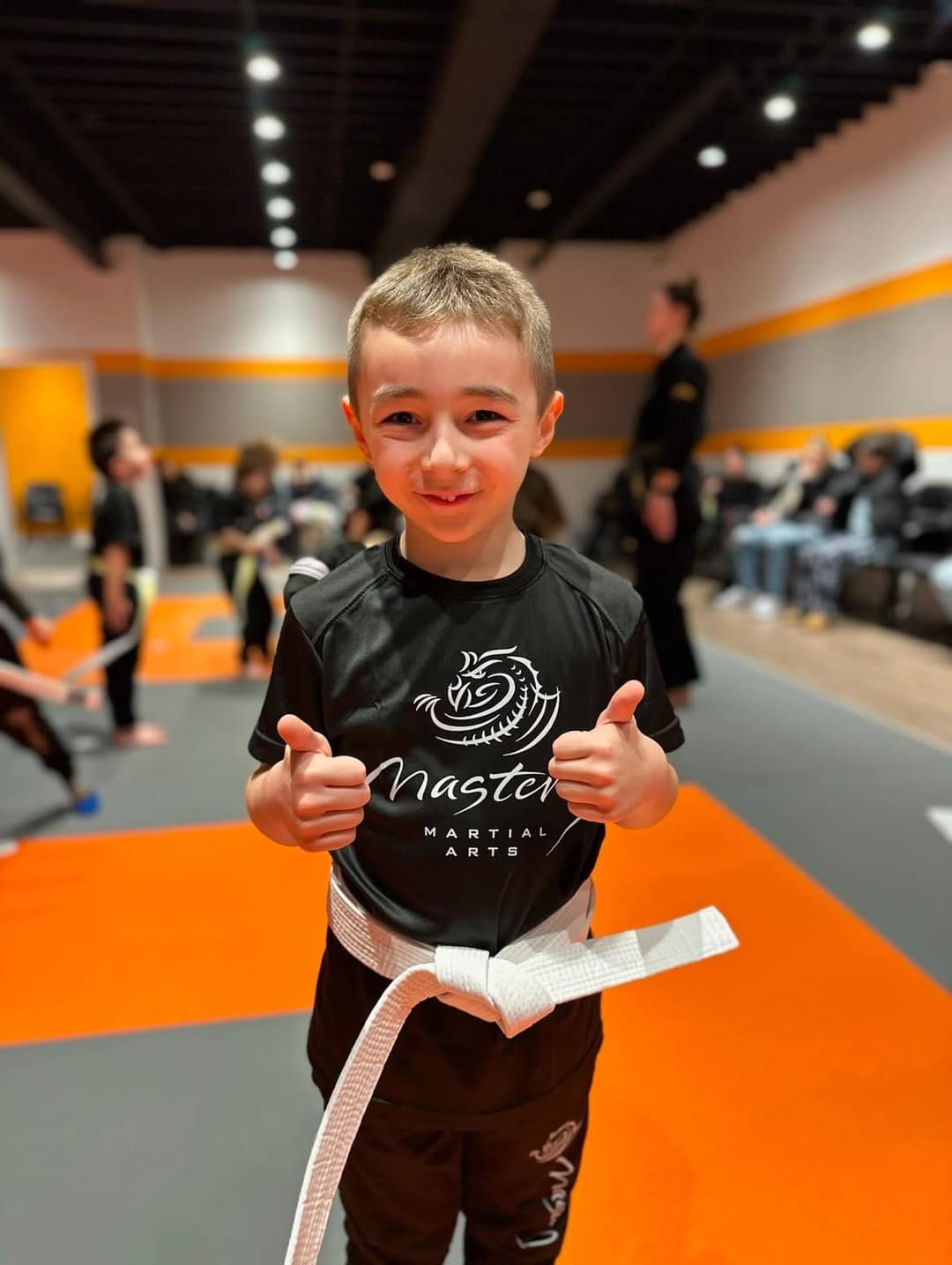
Kids Karate
Ages 10 to 12
Pre-teens are dealing with more academic pressure, more social complexity, and more stress than younger kids. Karate at this age gives them a structured outlet that helps them regulate, plus a peer group that reinforces the same values of effort and discipline. The goal-setting skills they build here look a lot like what high school is going to ask of them.
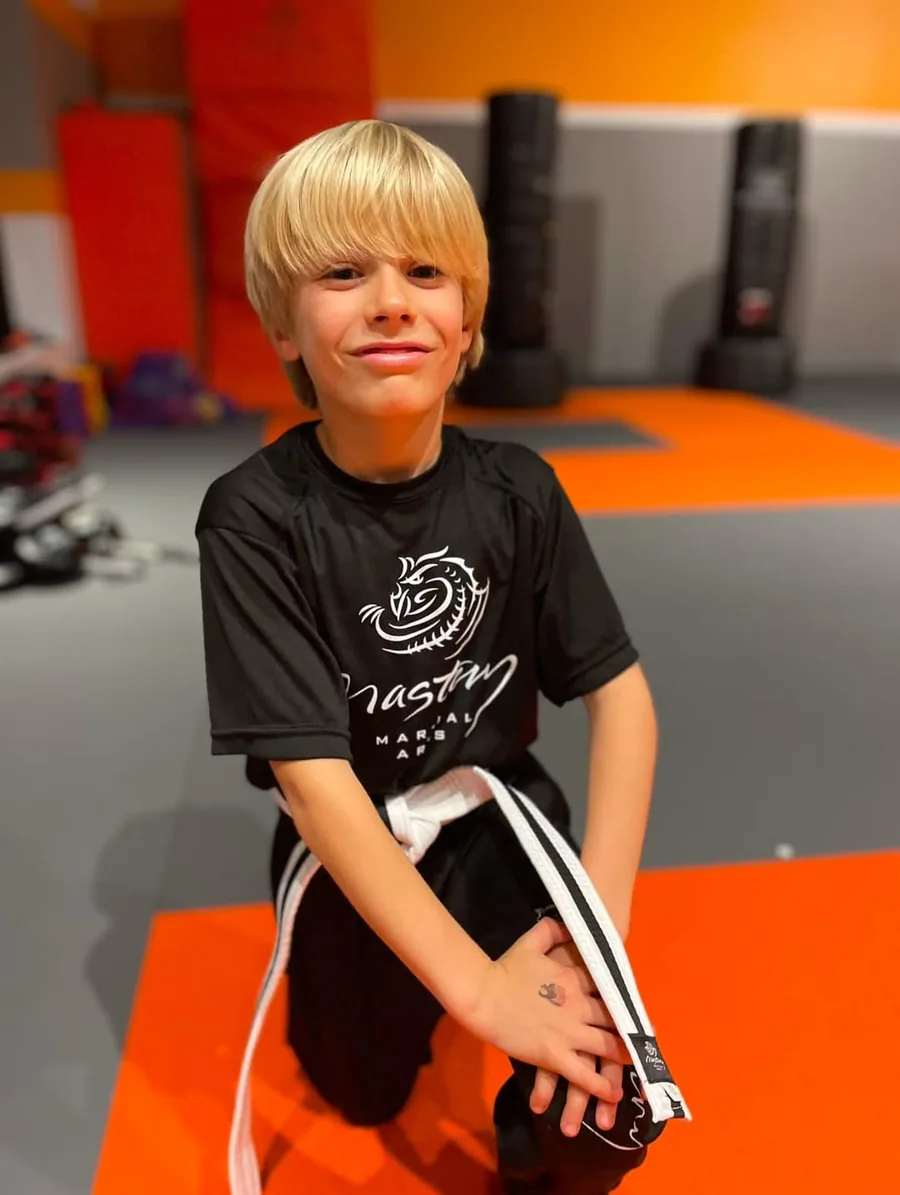
Questions Parents Ask Us
These are the real conversations we have with Troy families before they enroll. Better to address them directly.
“My child is already so busy. Won’t adding karate just make things harder?”
Parents ask me this a lot and I understand why it feels that way. Less time should mean less stress. But what actually tends to increase stress in kids is unstructured time, too much screen exposure, and no physical outlet. Not a purposeful 30-minute class twice a week.
Two 30-minute sessions is under an hour of total time. Less than most kids spend on screens in a single afternoon. And the payoff in terms of calmer evenings, less homework resistance, and better sleep tends to give families more breathing room, not less.
“What if my kid won’t stick with it? We have been down that road before.”
Kids quit activities when they do not feel successful, do not feel connected, or cannot see themselves getting better. That is the real reason kids quit things. Not because they are quitters.
We have spent 34 years figuring out how to make sure none of those three things happen. Every class gives your child a genuine win. Our instructors are trained to connect with kids as individuals, not just move them through a curriculum. And the belt system gives every student visible, meaningful progress they can point to. Kids do not quit things they are good at and enjoy. Our job is to make sure they feel both.
“How quickly will I see changes at school?”
It varies by child. Some parents notice changes in listening and focus within a few weeks. Academic improvements, which depend on a lot of variables, tend to show up over a couple of months of consistent training.
The most important thing is showing up regularly. We are building habits, not performing a one-time fix. Habits take repetition and time. The families who trust that and stay consistent are the ones who call us later to say something has genuinely shifted.
“Is this just about confidence? Do kids actually get better grades?”
We do not collect formal grade data and we are not going to make a claim we cannot back up. What we can tell you is that over 34 years, parents consistently report specific improvements in school behavior: more participation in class, better listening, less resistance to hard work, stronger homework habits, and more willingness to try things they are not sure about yet.
Those behaviors are what good grades are built on. Better habits lead to better performance. That is the connection we see over and over again. It is not a mystery. It is just how it works.
“Parents ask me all the time whether karate will actually help their kid at school. And I always tell them the same thing: it does not teach them math. What it teaches them is how to learn anything. A child who knows how to focus, follow through, and believe in their own effort does not struggle the way an unfocused child does. I have watched that play out with thousands of kids over 34 years in Troy. The ones who stick with it and train consistently show up differently in every area of their life. School is just one of them. One of the best things I have ever heard came from a parent at a school conference. She told me she actually looks forward to those meetings now because the teachers spend the whole time telling her what a great kid her son is. That is what we are after. Not just a better student. A kid who carries himself differently because he knows what he is capable of. The 30 free days exists so you can see it working for your own child before you commit to anything. Come in. Watch a class. Let your kid try it. You will know pretty quickly if this is the right fit.”
Denny Strecker | Chief Instructor, Mastery Martial Arts Troy MI | 30+ Years in Child Development | Amazon Best-Selling Author
More Resources for Troy Parents
If this article was helpful, you might want to read these next:
- How to Improve Focus in Kids (Even with ADHD) – practical things you can do at home alongside karate training
- How to Teach Kids Discipline Without Punishment – why positive reinforcement works and how we use it in every class
- What Is the Best Age to Start Karate? – a detailed breakdown by age group including what to look for at each stage
- Parent Resources Hub – all of our guides in one place
Ready to See the Difference for Yourself?
Your child gets two full weeks of real classes with real instructors completely risk-free. No contracts. No pressure. Just a chance to see what happens when your child is in the right environment.
Most parents know after the first class.
Mastery Martial Arts Troy MI | Serving Troy, Birmingham, Royal Oak, Clawson, Bloomfield Twp, Rochester Hills and Sterling Heights | Ages 3 to 17
About the Author: Denny Strecker is the Chief Instructor at Mastery Martial Arts in Troy, Michigan, where he has taught children’s martial arts for more than 30 years. He is the author of two Amazon best-selling books on child development and has spent decades studying how structure, positive reinforcement, and consistent practice shape children’s behavior, focus, and long-term success. He has worked with thousands of children ages 3 to 17 throughout Metro Detroit.
Get My Child’s Free 30-Day Pass →3656 Rochester Road, Troy · (248) 247-7353