
Mastery Martial Arts · Troy, MI
Why Yelling Doesn’t Work: What It Actually Does to Your Child’s Brain
You yell, they listen for 30 seconds. Then tomorrow you yell louder. This is why yelling doesn’t work on kids, what it does instead, and what 34 years of getting children to listen without it has taught me.
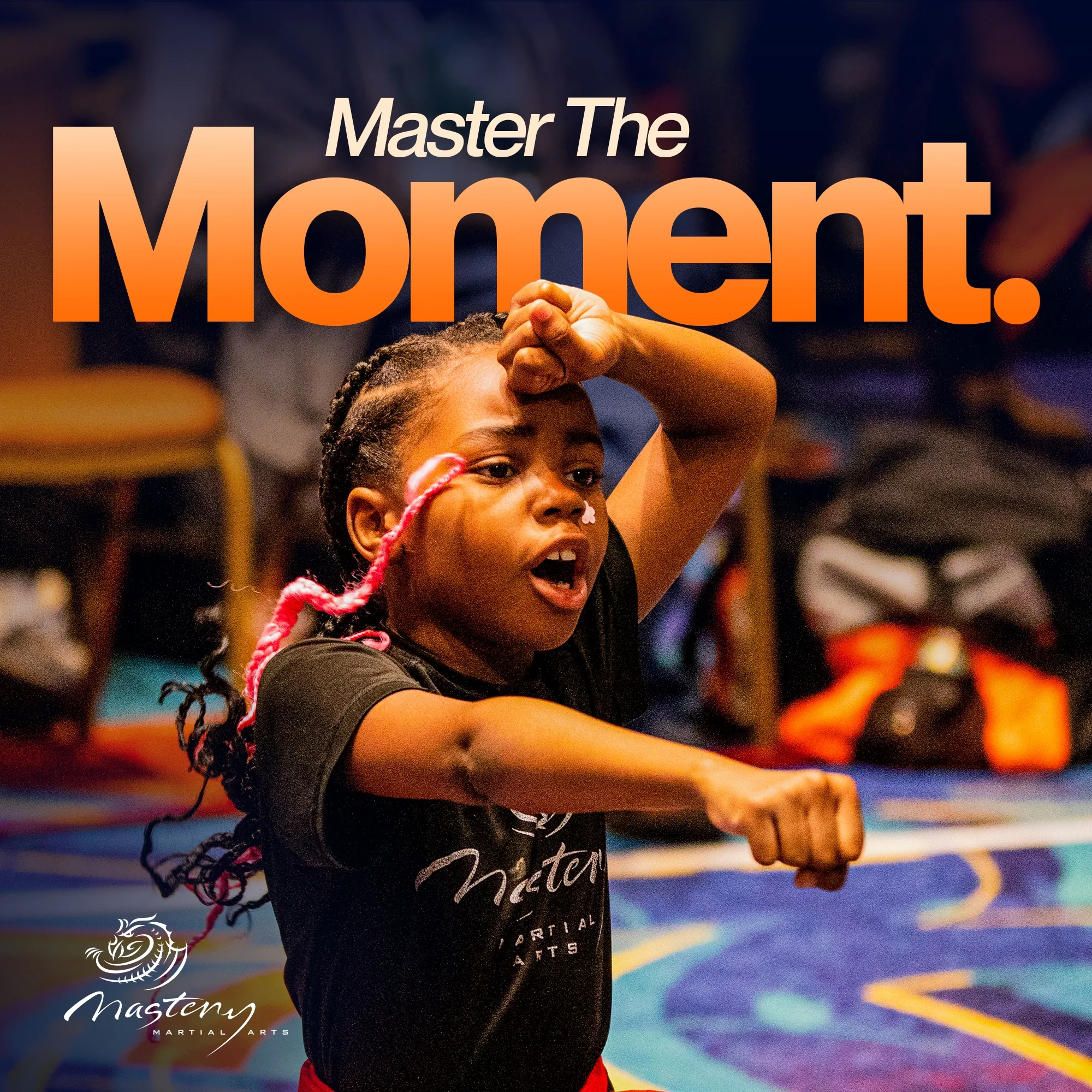
Every parent who walks into our Troy school confesses the same thing sooner or later, often in a low voice: “I’ve become a yeller. I hate it. It doesn’t even work anymore.” They are right on both counts, and “anymore” is the key word, because yelling is a strategy that consumes itself. Understanding why yelling doesn’t work is the first step to replacing it with something that does.
What Yelling Does Inside a Child’s Brain
When you raise your voice, your child’s brain does one thing every time: it switches from thinking mode to threat mode. Stress hormones spike, the prefrontal cortex, the part that processes language, reasons about consequences, and stores the lesson, goes quiet, and the survival brain takes the wheel. Research on harsh verbal discipline, including a large longitudinal study summarized by the American Psychological Association, finds it produces the same downstream outcomes as physical discipline: more behavior problems, not fewer, plus elevated anxiety and depressive symptoms in adolescence.
The practical translation: a yelled-at child is surviving the moment, not learning the lesson. That’s why the same battle repeats tomorrow. The information never landed; only the fear did, and fear habituates. Which brings us to the arms race.
Why Yelling Doesn’t Work Long-Term: The Volume Arms Race
Yelling “works” the first few times because it is novel, and the jolt gets attention. But children adapt to baseline noise fast. Yesterday’s yell becomes today’s background, so today needs a louder yell, and within a year or two you’re shouting things you never imagined saying, for infractions as small as shoes in the hallway, and getting less compliance than a calm parent gets with a look.
Yelling is a currency that inflates. Every time you spend it, the next one buys less. Calm authority is the currency that holds its value. Ask any veteran teacher, or any karate instructor.
Meanwhile the side effects compound: kids become sneakier (avoiding the yell, not the behavior), tune out normal-volume instructions (why respond before DEFCON 1?), and, the one that stings, start yelling themselves, at siblings and in time at you. Children copy what you model, not what you say.
“But Nothing Else Works With MY Kid”
I believe you that it feels that way, and here is the strongest counter-evidence I have: your child, in our school, follows multi-step instructions from an instructor who never raises their voice. Troy parents watch this through our viewing window and struggle to believe it. The child is capable. What differs is the system around them:
- Expectations are ritualized, not negotiated. Class runs the same way every time, so there is nothing to argue about. The structure does the enforcing (here’s that mechanism).
- Instructions come once, at normal volume, with eye contact. Compliance is expected, not begged for.
- Consequences are boring and immediate: sit out two minutes, rather than emotional and delayed.
- Effort gets loud praise. Misbehavior gets a quiet response. Most homes run the inverse.
All four of those move into your kitchen. We’ve written the full home playbook in How to Teach Kids Discipline Without Punishment, and the deeper why in how kids learn emotional regulation.
The First Three Steps Out
1. Lower your voice when you would raise it. This works better than it should: quiet-and-firm reads as control, and control is what children respect. The whisper that follows “come here” lands harder than any shout.
2. Replace repetition with proximity. Yelling is instruction #4 issued from another room. Walk over, get eye level, say it once. One calm instruction delivered at two feet outperforms four yelled from twenty.
3. Decide consequences in peacetime. Yelling happens when you have no plan and the frustration needs somewhere to go. A consequence decided in advance, boring and consistent and immediate, removes the need for volume. (Our guide to why kids don’t listen covers the ten most common triggers.)
And if you want a weekly hour where your child practices first-time listening inside this kind of calm-authority system, while you watch how it is done, that is half of what a good martial arts school is for. Start with our No More Yelling program, and find more guides at the Parent Resources hub.
Free Class · Troy, MI
See it for yourself.
Bring your child in for a free introductory lesson and 30 free days. No obligation to continue.
Get My Child’s Free 30-Day Pass →3656 Rochester Road, Troy · (248) 247-7353
For Parents
See our answers first on Google
Google now lets you choose the websites you trust most. The ones you choose move to the top of your search results. Add us, and our articles on focus, confidence, and bullying show up first, right when you’re looking for help. It takes ten seconds, and you can undo it anytime.
Make Us a Preferred SourceOpens Google. Tap the search box, then check the box next to “Mastery Martial Arts - Troy.”