Mastery Martial Arts · Troy, MI
Why Children Need Structure
Executive Function Series · Troy, MI
Routine isn’t the opposite of freedom — it’s the scaffolding that lets self-discipline grow.
Why It Matters★★★★★4.9Google rating277Google reviews34+years in Troy, MI
The Missing Ingredient
When Home Feels Like Chaos
When a home feels like daily chaos — battles over homework, bedtime, screens, and getting out the door — the missing ingredient is usually structure. Children aren’t born with the internal controls to manage themselves; those controls are built slowly, and they’re built on the outside first.
Structure is the external scaffolding a child leans on until their own executive-function skills can take over. This article explains why structure matters so much — and how to build it without becoming a drill sergeant.
The Brain Science
Structure Is the Brain’s Scaffolding
A child’s prefrontal cortex — the home of planning, self-control, and follow-through — is still under construction well into the mid-20s. Until it matures, kids simply don’t have a reliable internal manager.
Structure fills that gap. A predictable routine acts like an external brain: it decides what comes next so the child doesn’t have to. Over time, the routine they lean on becomes the habit they internalize — which is exactly how external structure turns into internal self-discipline.
Want a simple place to start? Our 30-Day Kids Responsibility Challenge builds one routine, making the bed, and lets the habit spread from there.
The Payoff
What Structure Actually Does for Kids
▷Reduces Decision Fatigue
When routines are automatic, the brain’s limited self-control is freed for harder things.
▷Lowers Anxiety
Predictability tells a child the world is safe and manageable, which calms the nervous system.
▷Builds Working Memory
Repeated routines mean fewer things to remember from scratch — a lifeline for kids who forget everything.
▷Teaches Time & Sequence
A consistent order helps kids feel how a day flows and what comes next.
▷Creates Calm
Fewer negotiations and surprises means fewer flashpoints for conflict.
▷Grows Self-Discipline
Discipline isn’t installed by punishment — it grows from repeated, structured practice.
A Key Distinction
Structure vs. Control
Many parents resist structure because they confuse it with being harsh or rigid. They’re not the same. Control is about compliance — doing what I say because I said so. Structure is about predictability — everyone knows what happens and when, so there’s less to fight about.
Good structure is warm and consistent, not cold and strict. It actually reduces conflict, because the routine becomes the boss instead of you. “It’s homework time” is a calmer message than a nightly negotiation. The goal isn’t a controlled child — it’s a child who eventually runs the routine themselves.
What Helps
How to Build Structure That Sticks
- Anchor the day. Consistent wake-up, homework, dinner, and bedtime times create a reliable rhythm.
- Make it visible. Post the routine where kids can see it — charts and checklists beat verbal reminders.
- Keep it consistent. The power is in repetition; a routine you abandon on hard days never becomes a habit.
- Build in predictability, not rigidity. Leave room for flexibility so structure supports the family instead of straining it.
- Borrow outside structure. Activities with built-in routine and consistent feedback — like martial arts — reinforce structure powerfully. (See Martial Arts & Executive Function.)
For the broader set of skills structure supports — and what’s realistic at each age — see Executive Function Skills for Kids and Why Smart Kids Struggle With Organization.
From the Chief Instructor
Kids Don’t Resist Structure — They Crave It
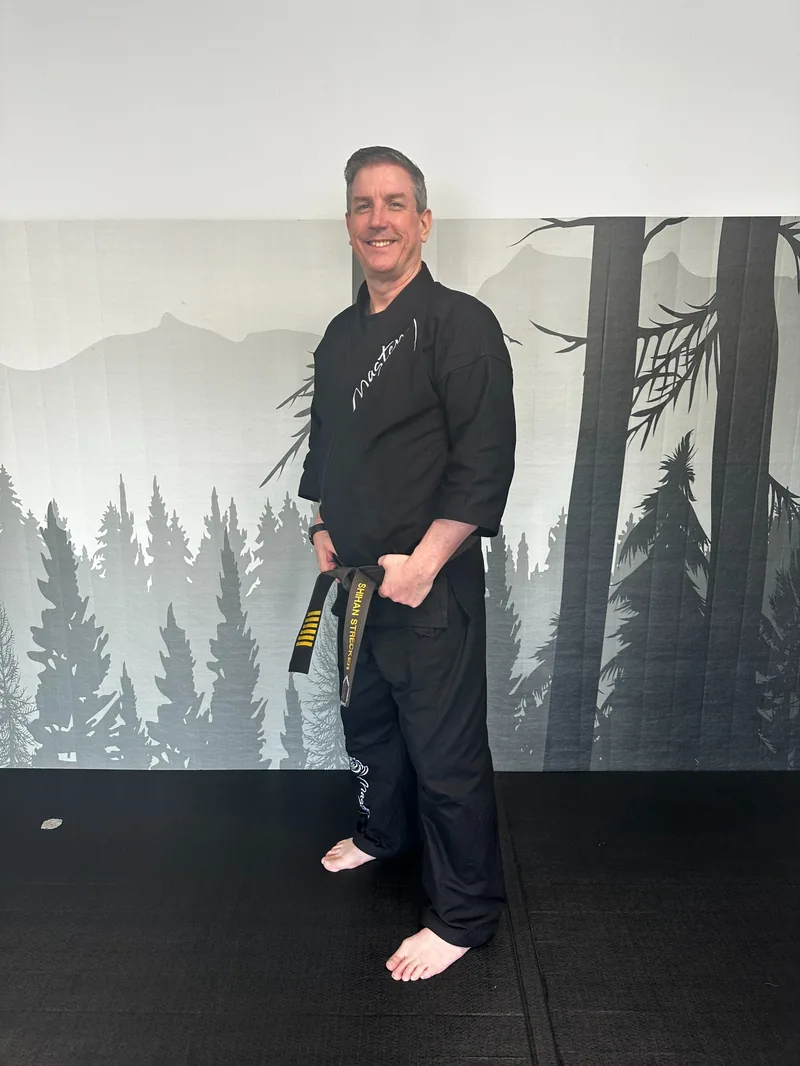
Parents are often shocked that the same child who fights every rule at home will bow, line up, and follow the routine in my class without a word of protest. It’s not because I’m stricter. It’s because the structure is clear, consistent, and predictable.
“Kids feel safest when they know what’s expected and what comes next. Give a child that, and the meltdowns shrink, the cooperation grows, and self-discipline starts to take root — because they finally have something solid to stand on.”That’s the quiet power of structure. It’s not control — it’s the scaffolding kids climb to reach their own self-discipline.
Keep Reading
Continue the Series
Start Here: The EF Guide
The complete parent’s guide to executive function in children.
Read the guide →Executive Function Skills for Kids
The core skills, by age, with what to expect at each stage.
Read the article →Martial Arts & Executive Function
How structured training builds focus, memory, and self-control.
Read the article →Why Smart Kids Struggle With Organization
Why intelligence and organization are separate skills.
Read the article →Kids Who Forget Everything
The working-memory explanation behind constant forgetting.
Read the article →Parent Resources Hub
Our full library of guides on confidence, focus, and discipline.
Visit the hub →Questions Parents Ask
Parent FAQ
Won’t too much structure stifle my child’s creativity?
The opposite, usually. Predictable routines free up mental energy and lower anxiety, which gives kids more capacity for creativity and play — not less.
My child fights every routine. How do I start?
Start small and stay consistent. Pick one anchor — like a fixed bedtime routine — make it visible, and hold it for a few weeks before adding more. Consistency beats intensity.
Is it too late to add structure if my child is older?
No. The brain keeps developing into the mid-20s, and structure helps at every age. Older kids do best when they help build the routine so it feels like theirs.
About the Author
Denny Strecker, Chief Instructor
Denny Strecker has taught children focus, organization, confidence, and self-discipline at Mastery Martial Arts in Troy, Michigan since 1992 — working with thousands of Troy-area families and earning a 4.9 Google rating with 277 Google reviews. He is the author of two Amazon best-selling parenting books, How to Double Your Child’s Confidence in Just 30 Days and From Chaos to Calm: How to Instill Focus and Discipline in Your Child, and the creator of the Personal Power Plans.
Mastery Martial Arts · 3656 Rochester Road, Troy, MI 48083 · (248) 247-7353
Free 30-Day Pass · Troy, MI
Give Your Child the Structure They Crave
At Mastery Martial Arts in Troy, kids thrive on clear routines, high expectations, and consistent feedback — the structure that builds real self-discipline. See how it works.
Or explore more guides on our Parent Resources hub · (248) 247-7353 MASTERY MARTIAL ARTS · TROY
Helping Troy children build confidence, focus, and resilience since 1992.
★★★★★ 4.9 · 277 Google reviewsPrograms
Tiny Tigers (3–4)Little Dragons (5–6)Kids Martial Arts (7–9)Pre-Teen (10–12)Teen & Leadership (13–17)Parent Guides
Executive FunctionEF Skills for KidsSmart but DisorganizedKids Who ForgetParent ResourcesVisit Us
3656 Rochester RoadTroy, MI 48083(248) 247-7353© 2026 Mastery Martial Arts™, Troy MI · Helping Children Build Confidence Since 1992Related: Why Kids Negotiate Everything: The Case for Practice Over Reminders
Free Class · Troy, MI
See it for yourself.
Bring your child in for a free introductory lesson and 30 free days. No obligation to continue.
Get My Child’s Free 30-Day Pass →3656 Rochester Road, Troy · (248) 247-7353
For Parents
See our answers first on Google
Google now lets you choose the websites you trust most. The ones you choose move to the top of your search results. Add us, and our articles on focus, confidence, and bullying show up first, right when you’re looking for help. It takes ten seconds, and you can undo it anytime.
Make Us a Preferred SourceOpens Google. Tap the search box, then check the box next to “Mastery Martial Arts - Troy.”